Stories
Because every life is made of chapters. Some break us. Some rebuild us. Every chapter has something to teach us.
These are the stories that shaped who I am—the beautiful, the heartbreaking, the unexpected, and the life-changing. My hope is that as you read them, you'll feel a little less alone and discover pieces of your own story along the way.
A Note About These Stories:
Every story on this page is true as I experienced it. They are written from my memories, my perspective, and the meaning I've made of the moments that shaped me. These aren't meant to tell every side of a story—they're simply my attempt to honestly tell my own.
One Building. 50 Years. Countless Ripple Effects.
Ten years after walking away from church, I found my way back.
At the time, my marriage was struggling. Part of me hoped returning to church might help us find our way back to each other.
What I couldn't have known was that I was walking into a place that would become woven into so much more of my life.
I found people who would eventually carry me through some of my hardest years. My daughters grew up there and found friendships that, all these years later, are still some of their safest ones. That building held weddings, Christmas Eves, hard conversations, little girls eating snow cones in the grass, and ordinary Sundays I didn't know I'd someday look back on as anything but ordinary.
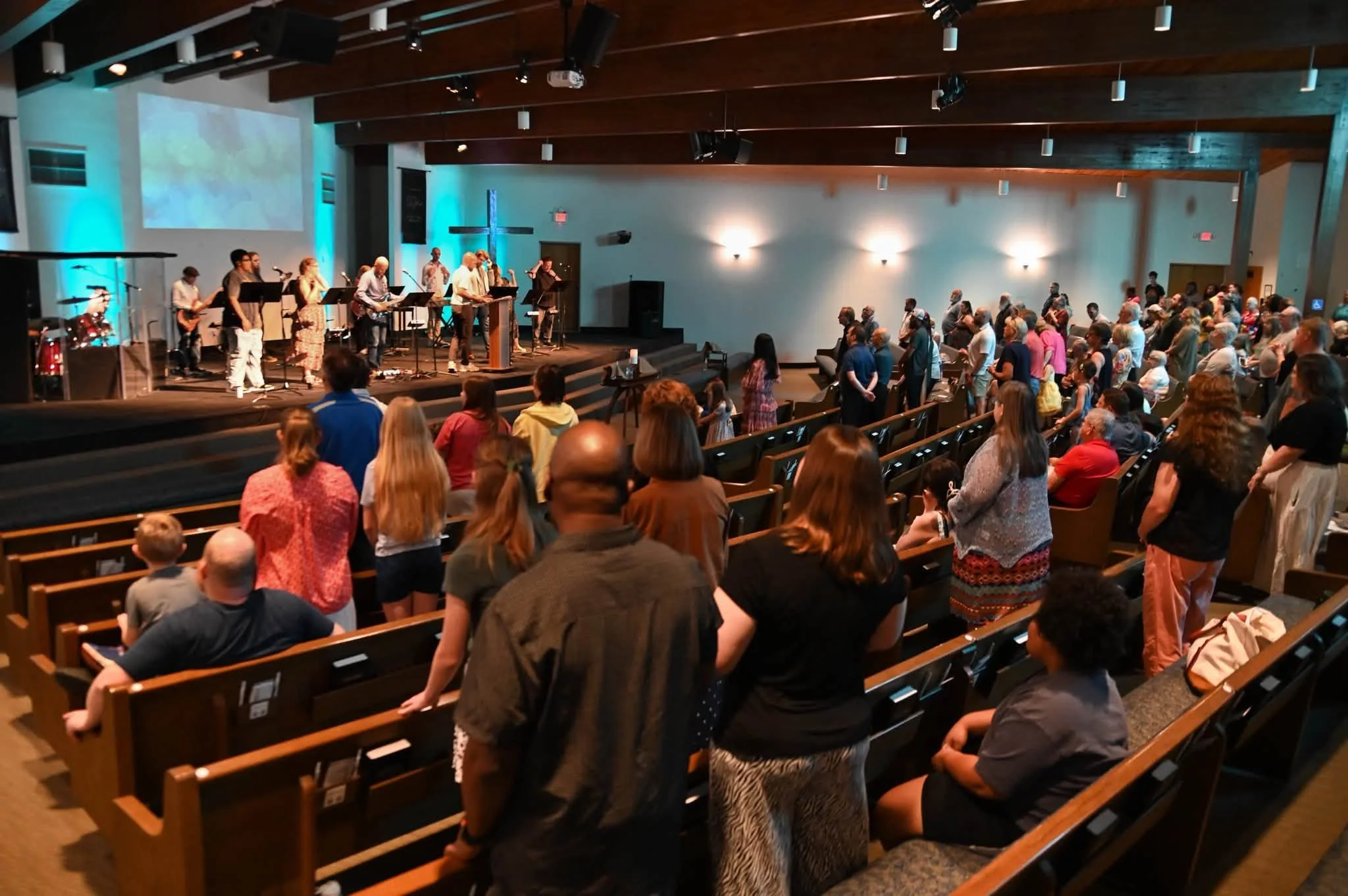
Last Sunday, Trinity celebrated 50 years. I went expecting an anniversary service.
Instead, as I stood at the front leading worship and listened to story after story, I found myself crying.
Because I finally understood what we were actually celebrating.
In 1976, eight years before I was born, a group of people made a decision that would eventually become part of my story—and the stories of my girls.
They could never have known how far the ripple effects would travel.
This one ended up being much more personal than I expected. ❤️
One Building. 50 Years. Countless Ripple Effects.
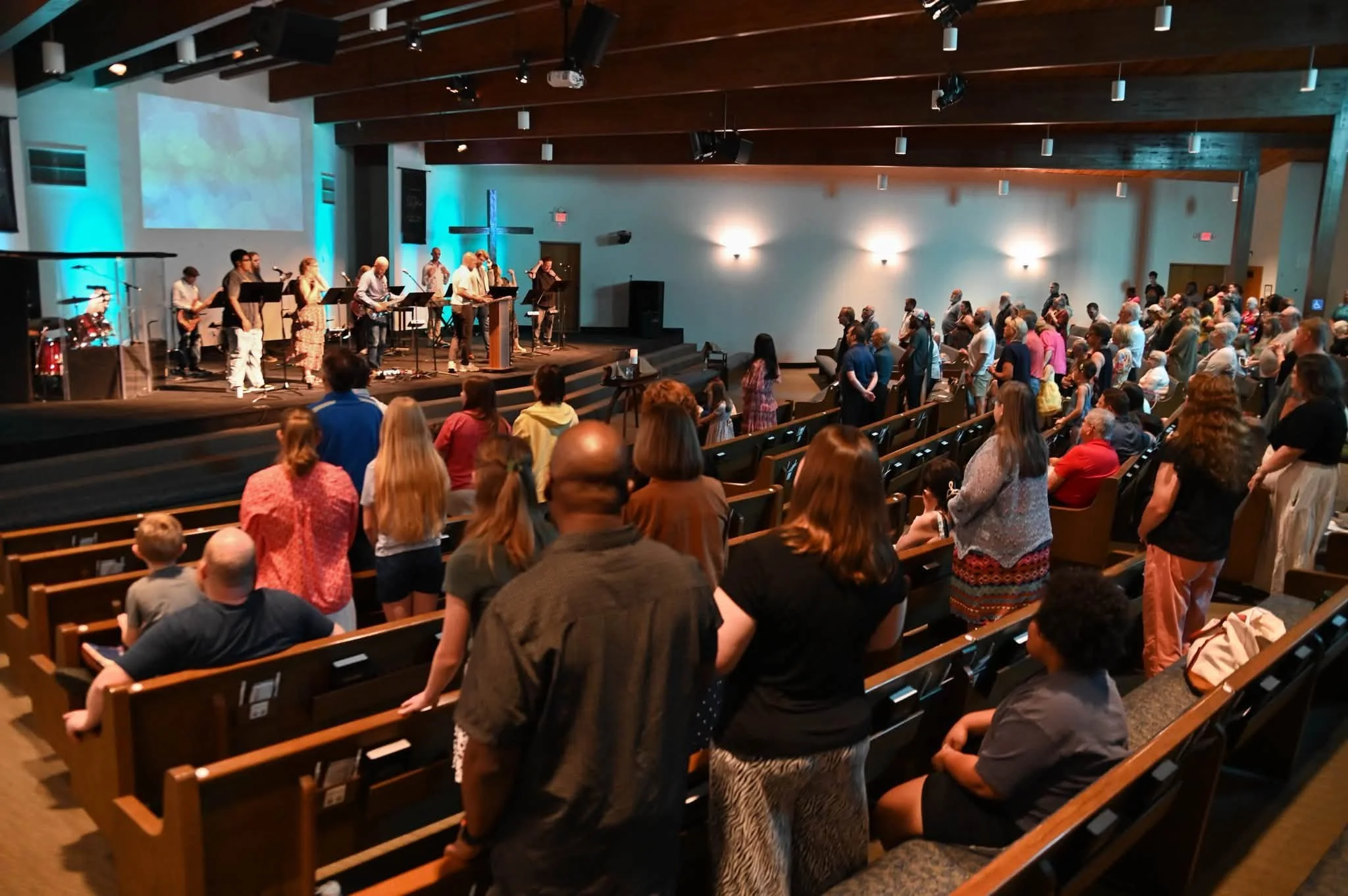
Last Sunday, my church celebrated the 50th anniversary of our building.
Fifty years.
Fifty years since a group of people had a vision for a church in a small community. Fifty years since they listened to what they believed God was asking them to do, gathered a team, and built a place where people could come together to worship and serve.
I knew we were celebrating, of course. But if I'm being truthful, when I walked into church that morning, it didn't feel all that different to me.
I sing many Sundays, so I arrived early. I practiced with the band. We ran through the songs. I got ready to lead worship like I had so many Sundays before.
I knew it was our "50th Anniversary Celebration," and I thought that was wonderful. Something fun. Something worth celebrating.
What I wasn't expecting was how deeply it would affect me.
Throughout the service, former pastors and worship leaders stood up and told pieces of their stories.
We heard from the very first pastor—the man who helped start the church all those years ago. He talked about how he and his wife felt a vision forming for what a church could look like in this community. They listened. They gathered people around them. And eventually, they built it.
Another former worship leader, who is now one of my friends, told the story of a song he had written during his time at Trinity. Then we sang it together.
In the middle of that song, standing at the front of the same sanctuary where I had sung so many times before, I felt tears filling my eyes. I looked out at a room full of people singing words that had been written years earlier by someone who had once stood where I was standing.
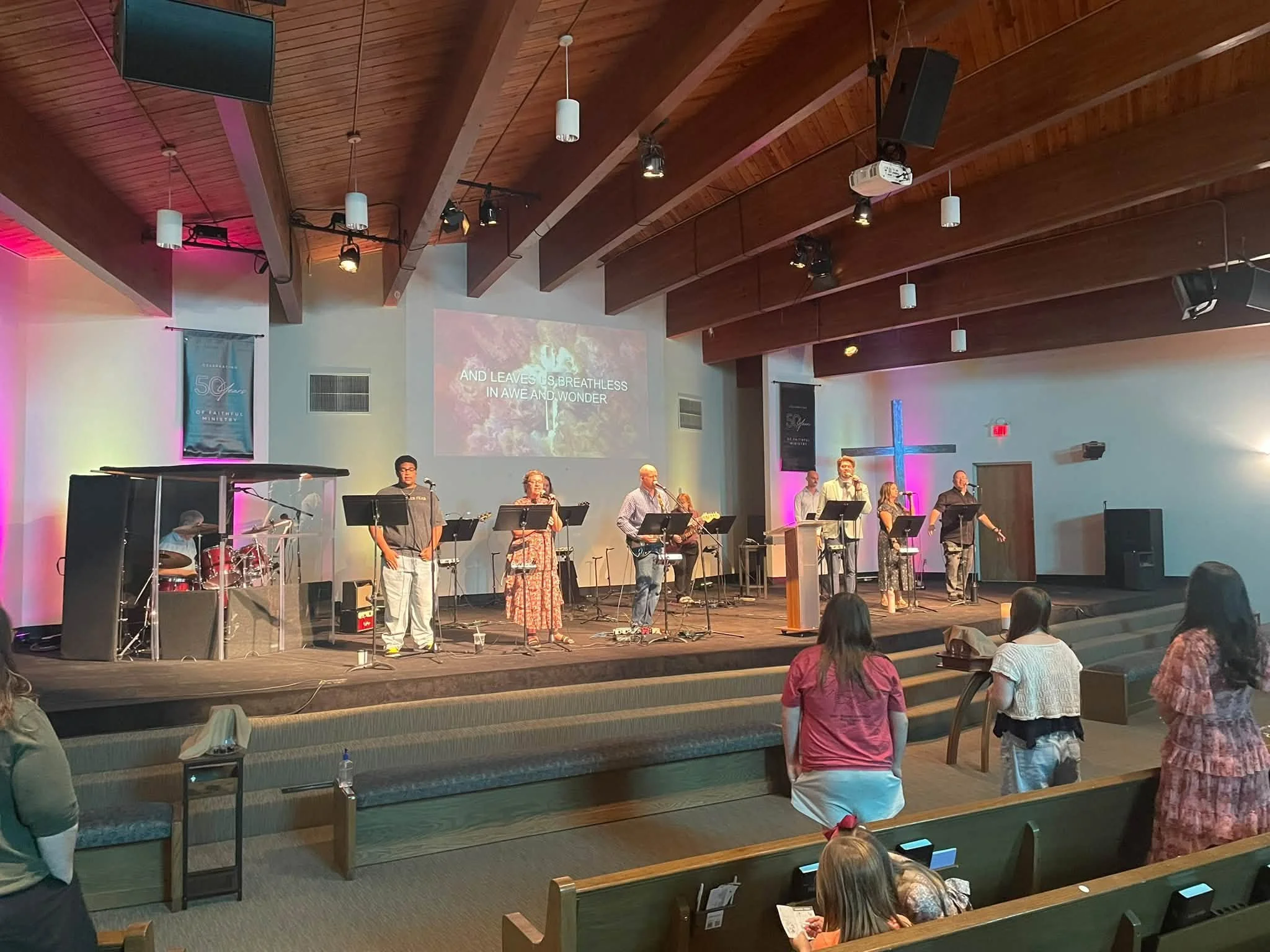
At first, I couldn't really understand why I was affected so deeply.
Then more people began telling their stories.
And I started noticing something.
It was the people.
Again and again, that was what each pastor talked about.
Not the building.
Not the programs.
Not even all the things the church had accomplished over five decades, although there were plenty of those things worth celebrating.
They talked about the people.
The people who became family. The people who showed up when something terrible happened. The people who loved their children like their own.
The people who brought meals, prayed, visited hospitals, and stood beside them at weddings and funerals and all the ordinary days in between.
The people who simply kept showing up.
One of my friends, who had served as Trinity's pastor for many years, talked about the incredibly difficult decision to step down. Health struggles had made continuing in that role difficult, and afterward, his family gave themselves permission to figure out what kind of church felt right for them.
They eventually came back to Trinity. Because there was something here they couldn't recreate somewhere else.
A sense of home.
One of our former youth pastors told a story about friends of mine who took her in and allowed her to live with them when she needed somewhere to go.
Different people. Different seasons. Different stories.
But underneath all of them was the same thing.
It was the people.
And as the morning went on, I stopped listening only to their stories and started thinking about my own.
I was 28 years old when I first walked through the doors of Trinity.
I had grown up going to church. It had been a huge part of my childhood and teenage years. And then, at 18, after an unplanned pregnancy and more shame than I could handle at the time, I walked away. I had felt judged when I needed grace, and there were other things I had begun questioning, too.
By the time I found my way back to church ten years later, I knew there were things I was willing to be part of and things I wasn't. There were beliefs I held deeply and others I could no longer accept simply because someone told me I should.
But there was one thing I hadn't stopped believing.
I believed in a God who was good. A God who was kind. A God who helped people through the places they weren't sure they could survive.
And I wasn't ready to give that up.
When I started going back to church, my marriage was struggling, too. Part of me hoped it might help fix things. Maybe it would bring us closer. Maybe it would help us become the kind of couple I had imagined we could be.
And in a strange way, after attending Trinity for more than ten years, I realized church had given me exactly what I needed for my marriage.
Just not in the way I had expected.
It gave me people. It gave me truth. It gave me somewhere I belonged. And over the years, it gave me the community and perspective I didn't even know I would need.
It didn't turn my marriage into what I hoped it would become.
Instead, the people I met inside those walls helped me become someone strong enough to see my life clearly. And when that life fell apart, they were still there.
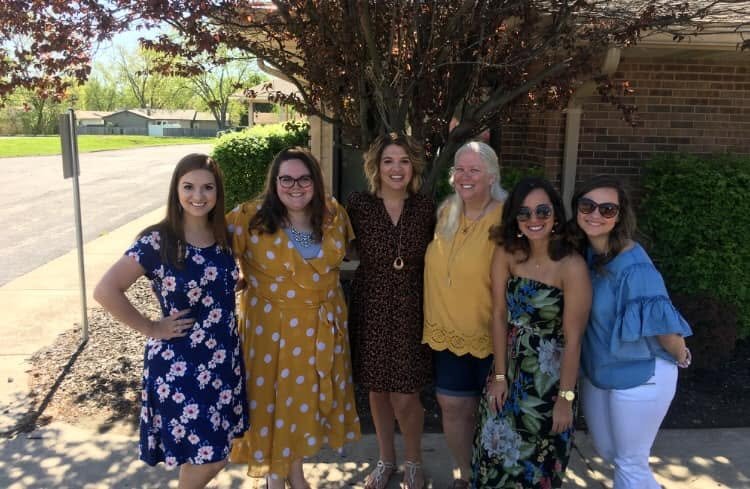
They loved my girls.
They loved me.
They showed up.
Over the years, Trinity became part of my daughters' stories, too. Even now, some of the people each of them considers among their very closest friends—their safe people—are people they first met inside those walls. In a world that has introduced them to so many people since, some of the relationships that have lasted the longest started at Trinity.
I can see just how much of our lives became intertwined with the people we found there. They were there for the ordinary years, the beautiful ones, and the ones when I wasn't sure how I would find my way through.
So as I sat there last Sunday listening to story after story about people becoming family, I understood why the tears kept filling my eyes.
I knew that story.
I had lived it, too.
The building mattered because of what had grown inside of it.
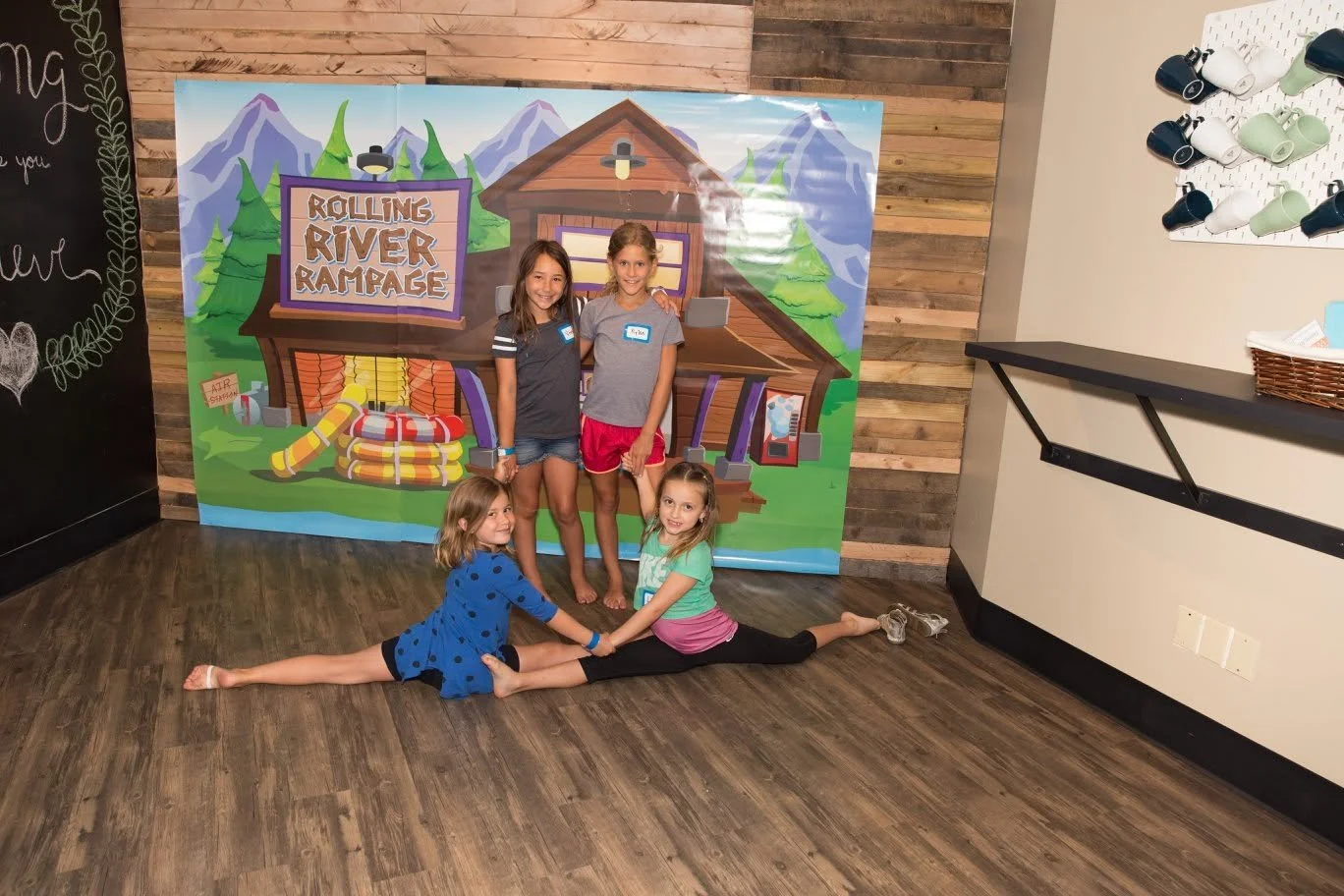
It held years of ordinary Sundays that didn't seem significant at the time. Quick conversations about life. My girls dancing in classes upstairs, playing in the back rooms with friends, and sneaking leftover communion bread. Christmas Eve cookies and Easter egg hunts. Weddings of people I loved. Hard conversations about a life I wasn't sure how to navigate. A parking lot that became an Easter service during COVID—and the place where Abby learned to drive.
So many ordinary moments that, looking back, weren't ordinary at all.
Some of the hardest years of my life happened inside those walls.
So did some of the most beautiful.
Sometimes they were the same years.
And maybe that's why fifty years suddenly felt so significant.
In 1976, eight years before I was born, a group of people believed God was asking them to create something in this community.
So they did.
They couldn't have known how far the ripples of that decision would travel.
But 36 years later, I walked through the doors of what they had started, looking for hope, assurance, and a place where I could believe in God again without abandoning the parts of myself I had worked so hard to find.
I thought I was coming because I needed help healing my marriage.
I didn't know I was walking into a community that would carry me through seasons I couldn't yet see coming.
Maybe that's how faithfulness works. We plant something without knowing who will someday need what grows from it.
Last Sunday, I realized I was sitting beneath the shade of something planted by people who would never know how much I needed what grew from it.
Before You Go...
Every story has a lesson hidden inside it.
Here's mine:
We don't always get to see the ripple effects of the things we build, the love we give, or the times we choose to show up. Sometimes the seeds we plant become part of someone else's story long after we've moved on.
A question for you:
What are you planting today that might someday matter to someone you'll never meet?

More than A Graduation Picture
I opened my phone this morning and a photo memory popped up.
This isn’t unusual. Most days, some random picture from years ago finds its way back onto my screen. And maybe it is random. But I also believe that sometimes we see what we’re supposed to see exactly when we’re supposed to see it.
This morning, it was a picture I had seen plenty of times before. I’d even used it as my profile picture on social media at one point. But for some reason, this time I stopped.
It felt almost like past me was talking to present me.
Pay attention to this.
Pay attention to her.
The picture was from my graduation. Not high school. Not college more than twenty years ago. This one was much more recent.
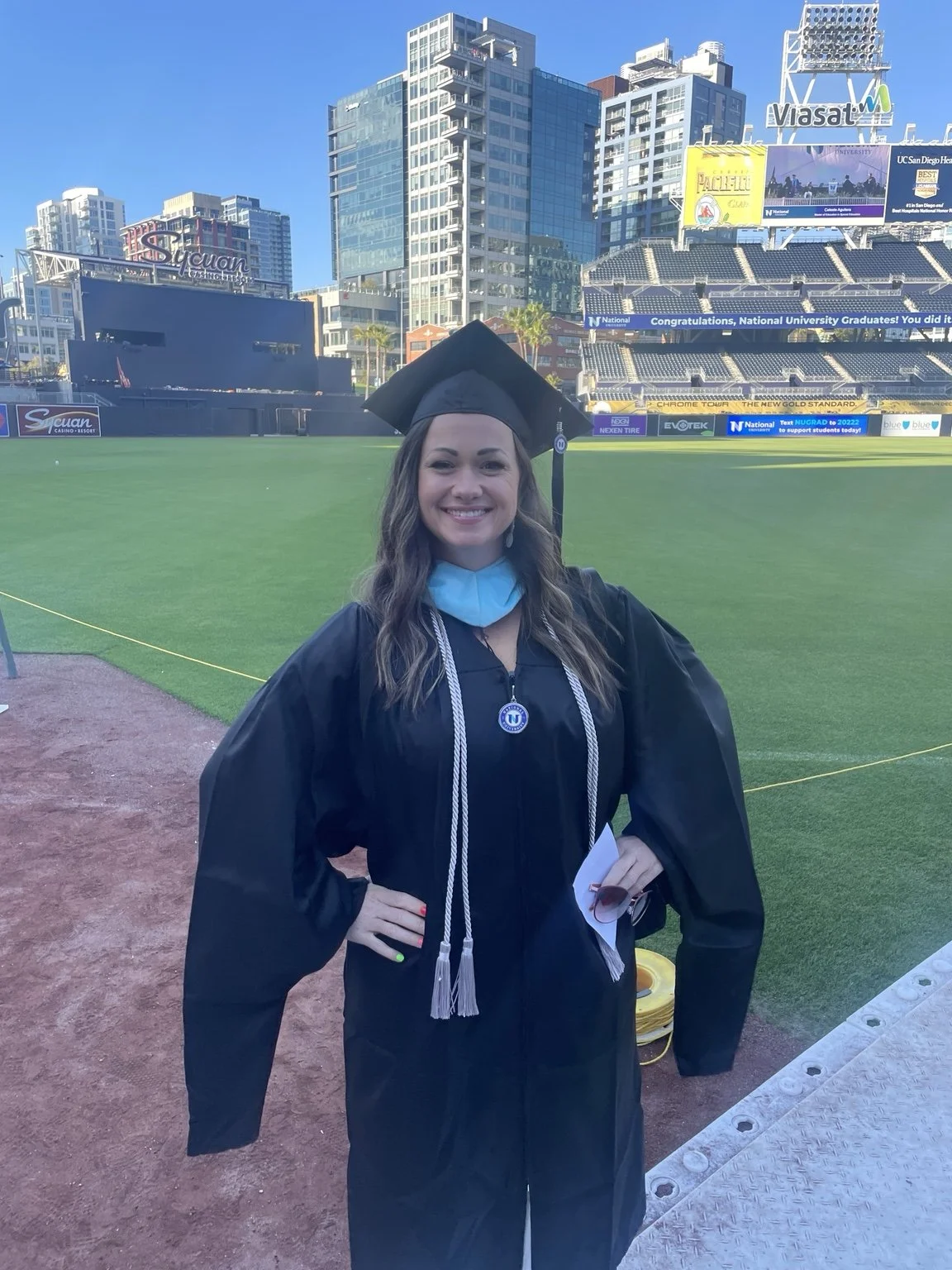
It was 2024. I was 39 years old, standing there in a black cap and gown, a light blue stole and gold cords, celebrating the master’s degree I had just earned.
Like many educators, I had gone back to school for my master’s. Unlike many, I didn’t do it early in my career. Mine came much later. And now, looking back, I think it came exactly when it was supposed to.
The photo itself is almost picture perfect. Petco Park in San Diego behind me. I’m smiling, looking confident and proud.
And I was proud.
But when I look at that picture now, earning the degree isn't really what I see. I see everything that was happening behind the scenes.
Because, like so many of the milestones that end up meaning the most to us, the real story isn’t what you can see in the picture.
It’s everything it took to get there.
To really tell that story, though, we have to back up a little.
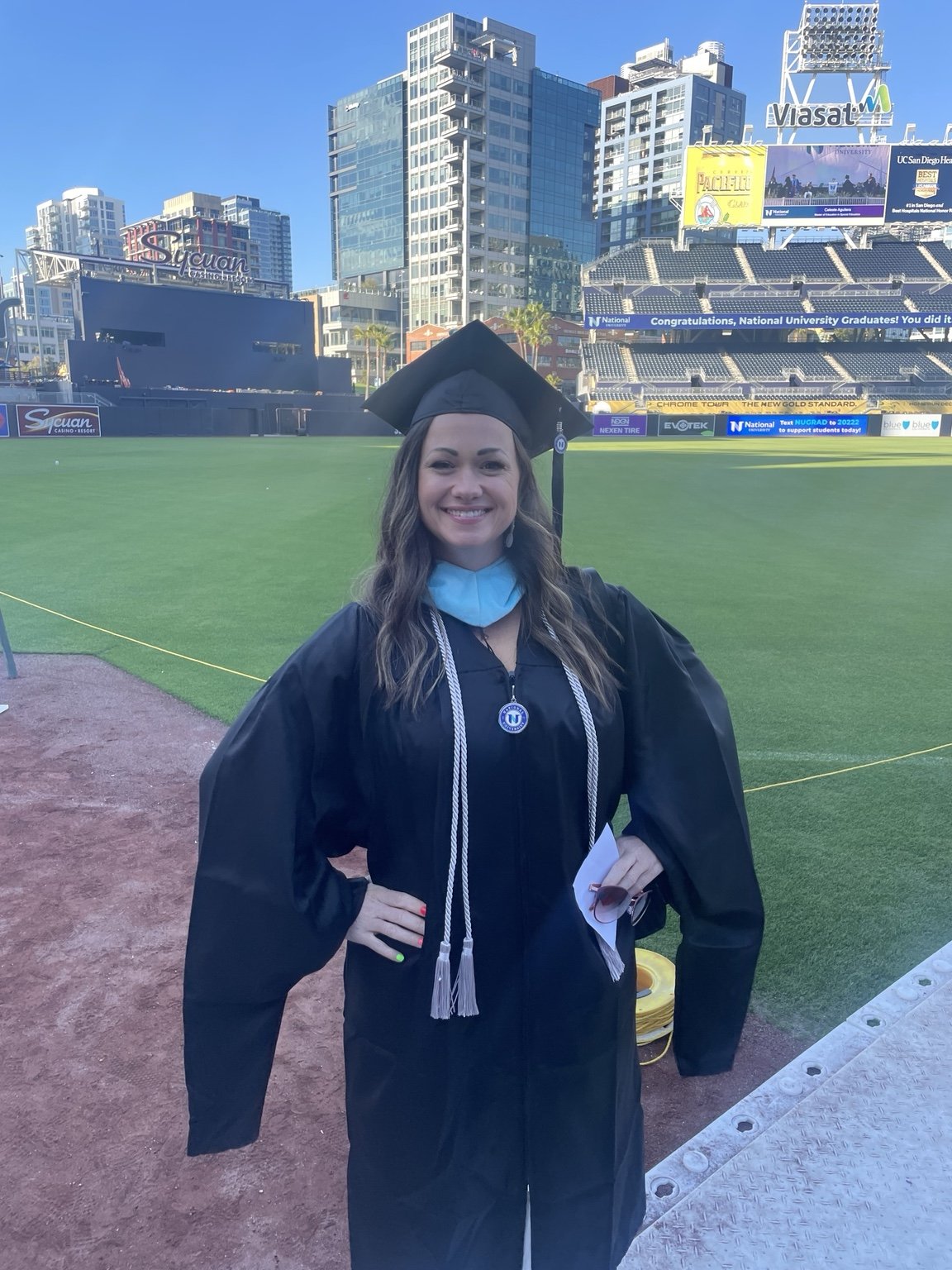
I opened my phone this morning and a photo memory popped up.
This isn’t unusual. Most days, some random picture from years ago finds its way back onto my screen. And maybe it is random. But I also believe that sometimes we see what we’re supposed to see exactly when we’re supposed to see it.
This morning, it was a picture I had seen plenty of times before. I’d even used it as my profile picture on social media at one point. But for some reason, this time I stopped.
It felt almost like past me was talking to present me.
Pay attention to this.
Pay attention to her.
The picture was from my graduation. Not high school. Not college more than twenty years ago. This one was much more recent.
It was 2024. I was 39 years old, standing there in a black cap and gown, a light blue stole and gold cords, celebrating the master’s degree I had just earned.
Like many educators, I had gone back to school for my master’s. Unlike many, I didn’t do it early in my career. Mine came much later. And now, looking back, I think it came exactly when it was supposed to.
The photo itself is almost picture perfect. Petco Park in San Diego behind me. I’m smiling, looking confident and proud.
And I was proud.
But when I look at that picture now, earning the degree isn't really what I see. I see everything that was happening behind the scenes.
Because, like so many of the milestones that end up meaning the most to us, the real story isn’t what you can see in the picture.
It’s everything it took to get there.
To really tell that story, though, we have to back up a little.
As many of you know, I started my family sooner than I had planned. I was 19 when I became a mom, which meant even earning my bachelor’s degree was a feat in itself. If my in-laws hadn’t opened their home to us while we raised Abby and I finished school, I’m not sure it ever would have happened.
But I had a dream of becoming a teacher, and somehow, I made that dream a reality.
I finished my bachelor's degree while working three part-time jobs. Then came my first teaching job, moving into our own home, marriage, another baby and all the responsibilities that came with building a life and raising a family.
A master’s degree moved further and further down the list.
I poured my time and energy into my family, my students and my career, all while telling myself that eventually I would go back to school. I knew it made sense financially and could open doors professionally, but there was always a reason to wait. For a long time, money was one of those reasons—or at least, I had been told there simply wasn't money for me to do it.
So I waited.
But as the years passed, something in me started changing.
I had spent a long time moving through a marriage in which I had slowly lost pieces of myself. I had devoted so much of who I was to being a mother, a wife and a teacher that I started to wonder who I was outside of all the roles I filled for everyone else.
I began feeling this pull to become more me—whatever that meant. To make choices because I wanted them. To pursue something because it mattered to me. To stop waiting for someone else to tell me it was okay.
So, I did what I do best. I researched.
I found programs that interested me. I crunched the numbers. We talked about it. And still, we kept putting it off.
Until eventually, something in me shifted.
I decided I was just going to do it.
That decision wasn't necessarily met with warmth or enthusiasm at home. At that point in our relationship, choices that felt like independence for me could sometimes create tension between us.
But something was different this time. I wasn't asking myself whether everyone else was comfortable with my decision anymore. I was asking whether I was willing to invest in my own future.
And I was.
If that meant taking out a loan and paying it back myself, I would figure it out. I wanted to challenge myself academically, create more opportunities professionally and prove to myself that I could make a decision about my own life and follow through with it.
So I applied to National University for an online master’s program in Educational Leadership and was accepted.
Then I saw an opportunity for a scholarship. The application required an essay.
Now that I knew I could do.
Writing had always been one of my strengths, so I wrote about my life. About the hardships I had experienced, the cycles I had been born into and the ones I was determined to outgrow. And about what earning this degree could mean for the life I was trying to build.
I submitted it.
And I got the scholarship.
The thing I had put off for years partly because I believed we couldn't afford it?
I was going to earn my master’s degree for free.
Completely free.
And I would be lying if I said there wasn't a little defiance mixed in with the excitement. For so long, money had been one of the reasons I had been given for why this couldn't happen. Suddenly, that reason was gone.
There was a part of me that thought, See? I figured it out anyway.
Maybe I didn't need someone else to believe I could do it. Maybe I just needed to believe I could.
There was no stopping me now.
For two and a half years, I wrote, studied, read, did case studies and interviews and relearned how to accurately cite a paper again.
And, despite being someone who prides herself on being organized, I somehow managed to procrastinate until Sunday to write most of my papers. Any of my friends can attest to this.
There were canceled movie nights, papers written in the car next to Mel on the way to band gigs, assignments completed at gymnastics practice and work done after hours at school while waiting for my oldest to finish play practice.
Grad school became woven into almost every part of my life.
I just kept going.
And then, in the spring of 2023, my life changed.
I made the decision to end my marriage.
Suddenly, my family was being uprooted. My oldest had just graduated from high school. There were so many emotions, decisions and uncertainties about what came next.
And I had three classes left.
I could put school on hold while I dealt with everything happening in my personal life—which would also mean losing my scholarship—or I could keep going through the hard and finish what I had started.
I kept going.
And a few months later, with the fall leaves in full view outside, sitting in the basement of my friend's house where I was temporarily living, I finished my final paper.
My life looked almost nothing like it had when I started the program. I didn't even have a permanent home of my own.
But I had finished.
And I was deeply, deeply proud of myself.
Fast forward to the spring of 2024.
For months, I had been receiving emails about the graduation ceremony in San Diego.
I ignored them.
Of course I wasn't going to fly all the way to California during the last week of school. My life was still in transition, and flying across the country for a graduation ceremony felt unnecessary, impractical—maybe even a little ridiculous.
Then one night, a final reminder arrived. I had one week left to RSVP if I wanted to walk at graduation.
And something stopped me.
Why shouldn't I walk in my own graduation?
Why shouldn't I go all the way to California?
No one was telling me no.
And maybe more importantly, I was finally getting used to not needing anyone to tell me yes.
I knew what I wanted to do.
So I called my longtime family friend Rachel, who lived in the San Diego area, and asked if I could stay with her for the weekend. I called Abby and asked if she wanted to come along and visit one of her best friends who had moved there for school.
And before I knew it, we were on a plane headed straight for San Diego.
What a dream.
I love the beach, and San Diego did not disappoint. But there was something else about that weekend that made me feel like I was on top of the world.
I was in a city I had decided to go to, using money I had decided to spend, celebrating a degree I had decided to pursue.
Celebrating a life I was learning to decide for myself.
And damn, did that feel good.
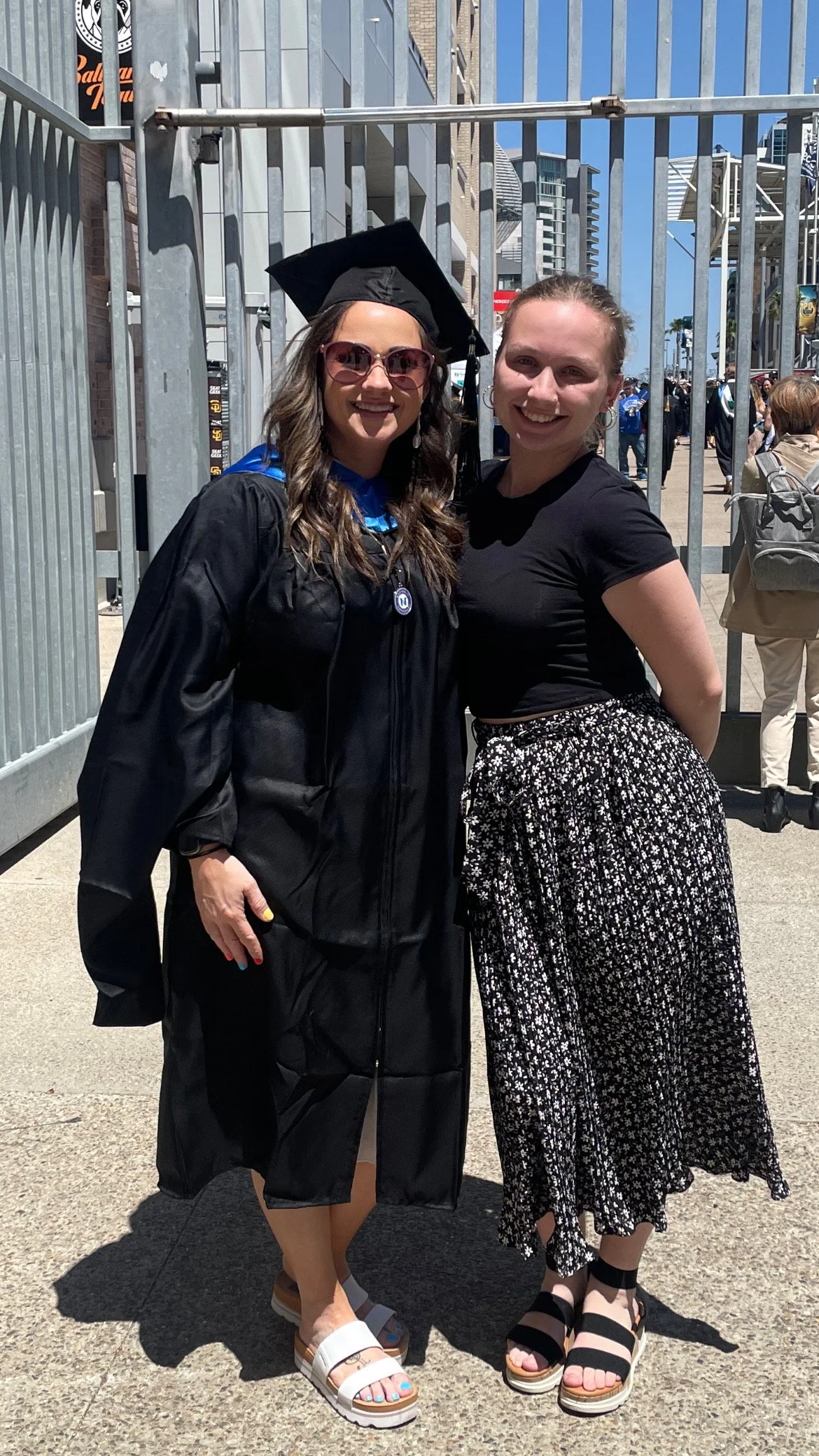
Graduation day was hot. Abby and Rachel took pictures of me in my cap and gown, and we took pictures together.
Having Rachel there made the weekend even more meaningful. She had known me since some of the earliest years of my life. She had babysat my brother and me and had been almost like a mother figure to me growing up. Now she was standing beside my daughter, telling her stories about my childhood, my family and my big brother Chris, whom Abby never had the chance to meet.
There was something beautifully full-circle about having her there.
Then I walked. I received my diploma.
But standing there that day, I knew I was celebrating so much more than a degree.
Which brings me back to the picture that showed up on my phone this morning.
There she was.
Thirty-nine years old. Black cap and gown. Light blue stole. Gold cords. Petco Park behind her.
Smiling. Confident. Proud.
If you looked at the picture, you would see a woman celebrating her master's degree.
But today, when I looked at her, I saw so much more.
I saw the 19-year-old mother who wasn't sure how she would finish college but did.
I saw the woman who spent years pouring herself into everyone else while putting some of her own dreams on hold.
I saw the woman who finally stopped waiting for the perfect circumstances—or permission—to invest in herself.
I saw the woman who sat in her friend's basement during one of the most uncertain seasons of her life and finished the last paper anyway.
And I saw the woman who got on a plane to California because she had finally learned to ask herself a different question.
Not “Am I allowed to?”
But “Why shouldn't I?”
There she was.
Maybe that's why the picture stopped me this morning.
Sometimes a photograph captures a day. And sometimes, if you look closely enough, it captures an entire story.
Today, I didn't just see the day I graduated.
I saw every version of me it took to get there.
And what a beautiful thing that was to recognize.
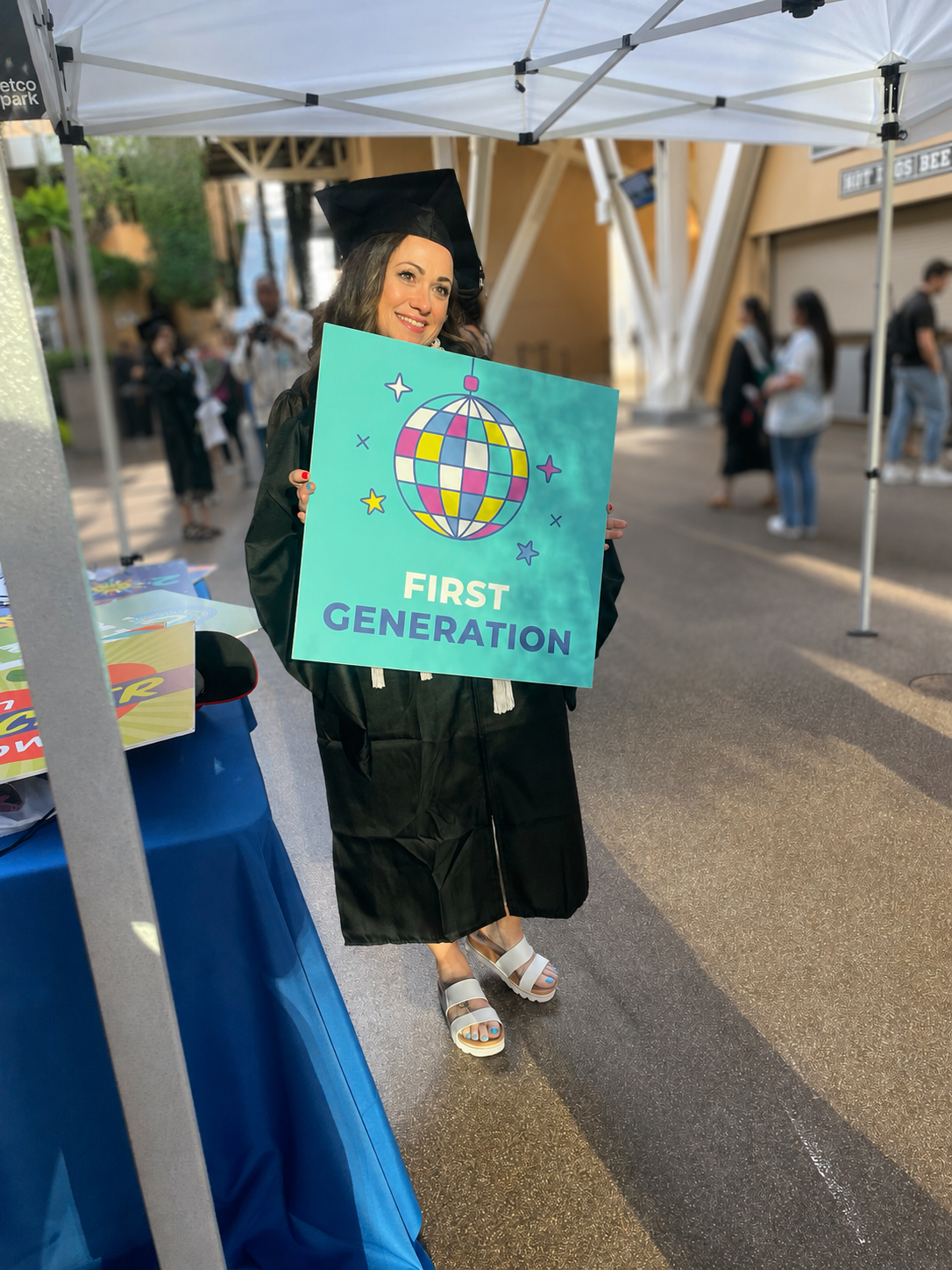
Before You Go...
Every story has a lesson hidden inside it.
Here's mine:
Sometimes the biggest thing standing between us and the life we want isn't whether we're capable of creating it. It's whether we've given ourselves permission to try.
And sometimes, we don't realize just how far we've come until something makes us stop, look back and really see the person it took to get here.
A question for you:
What is something you've been waiting for permission to do—and what might happen if you stopped waiting and simply gave yourself permission?

Beneath the Same Sky
I could still picture myself playing on my Gameboy in my bedroom, blowing out birthday candles around the dining room table, laughing until I couldn't breathe during basement sleepovers, ice skating in the backyard after that one ice storm, and locking my little brother out of my room because I wanted my own "space."
Those walls held so much joy.
But they held heartbreak too.
I could still picture the couch where I was sitting when someone told me my brother was gone. I could still picture myself hiding behind my bed on nights when I was afraid.
Those memories lived there too.
All of it—the laughter, the uncertainty, the loss, the ordinary days in between—still fit inside that little house.
I paused for another minute before putting the car in drive trying to take in the nostalgia I was feeling.
Last week, after dropping my daughter off with a friend, I found myself with time to spare just a few miles from the neighborhood where I grew up.
I hadn't driven through it in at least ten years, so I figured, “What the hell?”
As I drove, I caught myself narrating the experience:
"That Schnucks is still there."
"Looks like they tore down the Subway."
"Those potholes still need to be fixed."
I smiled as familiar streets came back to me. I still knew the way to my old house. You know how your brain somehow remembers every street, even years later?
Some homes sat empty with boarded-up windows and grass almost as tall as the mailbox. Others looked just as loved as I remembered. My elementary school still stood proudly, and the neighborhood park still echoed with kids playing.
I finally came upon my house. The one that raised me as much as the people inside it.
I remembered the fence in the backyard and how my dad built it by hand—board by board.
I wondered if the handprints my brother and I left in the concrete by the shed were still there, or if there was still a pool in the backyard.
As I sat there, the house looked so different. The same structure. The same windows. The same driveway. But somehow, it looked so much smaller than I remembered.
I feel like that is a common occurrence: People feeling like their childhood home seems much smaller when going back to visit.
The house hadn't changed nearly as much as I had. What once held my entire world now fit inside a glance from the driver's seat.
I could still picture myself playing on my Gameboy in my bedroom, blowing out birthday candles around the dining room table, laughing until I couldn't breathe during basement sleepovers, ice skating in the backyard after that one ice storm, and locking my little brother out of my room because I wanted my own "space."
Those walls held so much joy.
But they held heartbreak too.
I could still picture the couch where I was sitting when someone told me my brother was gone. I could still picture myself hiding behind my bed on nights when I was afraid.
Those memories lived there too.
All of it—the laughter, the uncertainty, the loss, the ordinary days in between—still fit inside that little house.
I paused for another minute before putting the car in drive trying to take in the nostalgia I was feeling.
After leaving the house, I started driving another familiar route—a road that led to the neighborhood ice skating rink, a place I'd probably driven to hundreds of times throughout my childhood.
It was dusk, and as I rounded the curve, the outline of the moon began to appear in the evening sky.
I thought about how many times I had made that same drive to one of my favorite places. How many times that same moon had quietly followed me there...and back home again.
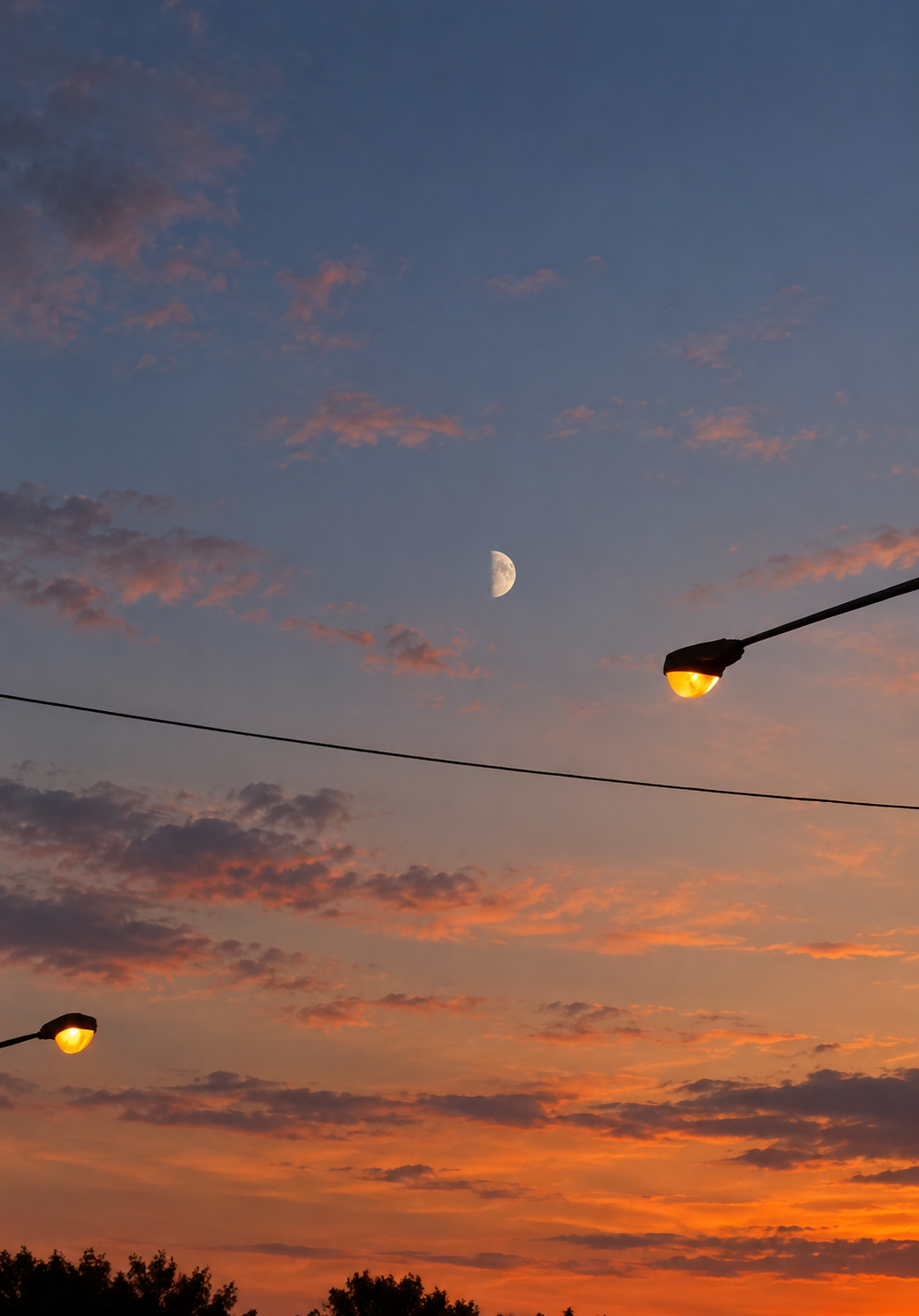
And there it was.
The very same moon.
Peeking out at me...
as if no time had passed at all.
As if it was saying,
"I remember you."
In that moment, I realized something.
I wasn't just revisiting the neighborhood where I grew up. I was remembering the girl who grew up there.
The girl who loved her friends, the girl who sang for crowds, the girl who got excited about cheap jewelry and trendy clothes… the girl who believed the world was waiting for her.
As I drove through the parking lot, memories kept finding me.
There was the pool where I worked my very first job as a day camp counselor.
There was the lobby where I spent countless hours waiting to skate, conditioning off the ice, and laughing with my friends. It was also the place where my mom took one last picture of me on the day the rink closed its doors for good. I don't think either of us realized then that we weren't just saying goodbye to a building. We were saying goodbye to a place that had quietly shaped so much of my childhood.
Even the little room in the corner held pieces of my childhood. It was where we gathered for team pictures and parties, but years before that, it had been my preschool classroom.
It’s so remarkable how an ordinary building can quietly hold so many versions of you.
I guess that's true of a lot of places we don't think much about until we go back.
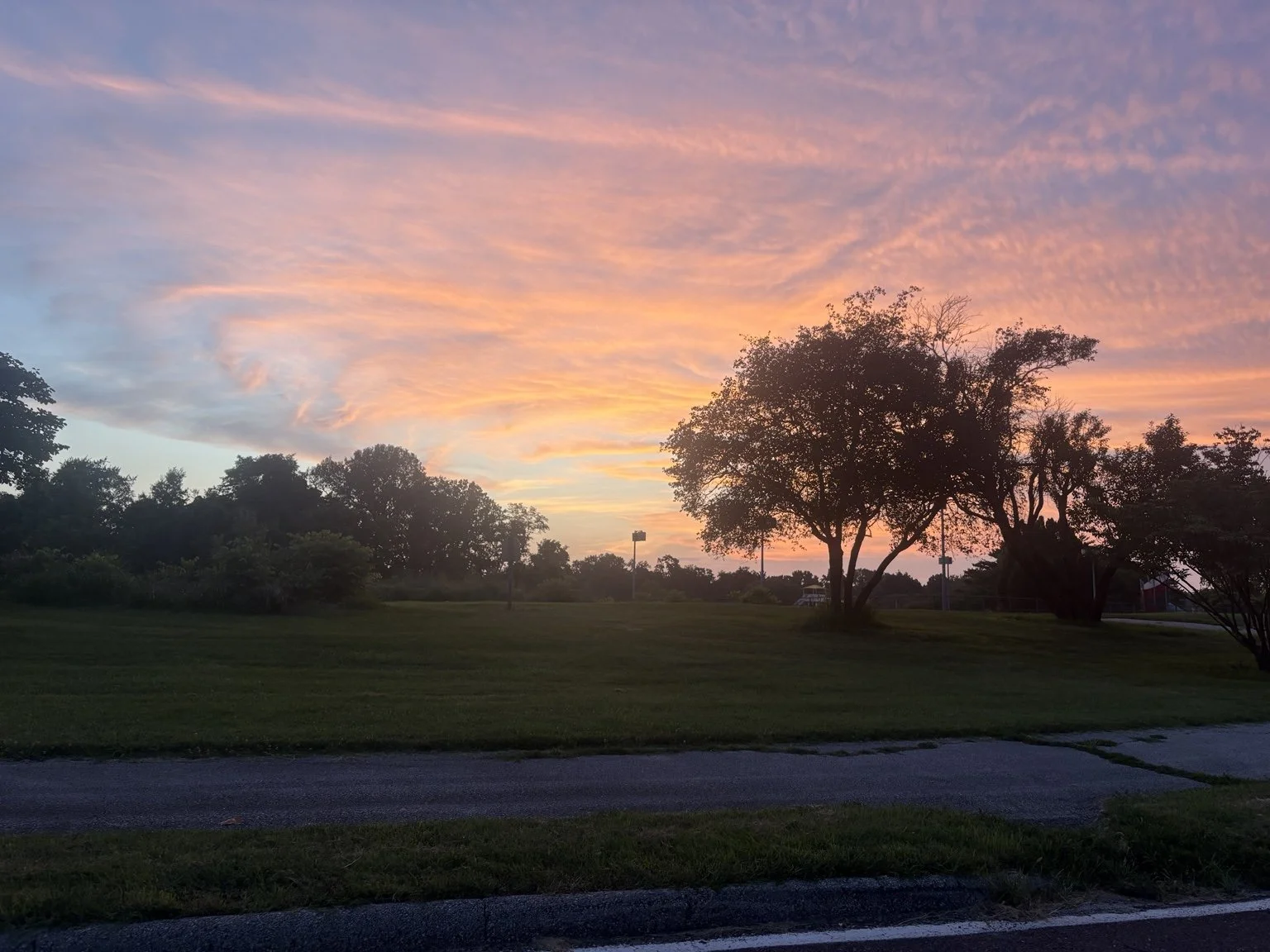
As I continued through the parking lot, I looked over a hill. The sky looked like it had been painted in watercolor.
Streaks of orange and pink stretched across the horizon while the moon quietly hung above it, like they both decided to share the same stage for a few minutes.
It literally stopped me. I had to pull over.
And I did what I always do: I reached for my phone and took a picture.
Not because a picture could ever really capture it, but because I wanted to remember how it made me feel.
Maybe that's what going home gives us—not a chance to become who we used to be, but a chance to recognize the parts of ourselves that never left. Beneath the jobs, the titles, the heartbreak, the mistakes, the victories, and all the years that have passed, the person we used to be is still there.
That evening, I drove through streets that once shaped so much of who I am. I found a house that looked smaller than I remembered, a neighborhood that had weathered time while still holding onto joy, the same moon that once followed me home from the skating rink, and a sunset that reminded me there is still beauty ahead.
Going back home isn't just about remembering who you were. It's about realizing that the little girl or little boy who first dreamed big, loved deeply, and believed anything was possible never completely disappeared. They're still walking beside you...beneath the same sky.
Before You Go...
Every story has a lesson hidden inside it.
Here's mine from this chapter:
Sometimes going home isn't about revisiting a place. It's about rediscovering a part of yourself you thought had been left behind. The places that shaped us don't just hold our memories—they remind us of our resilience, our joy, our heartbreak, and the pieces of ourselves that have quietly stayed with us through every season of life.
My Question for You:
Is there a place that instantly takes you back to a younger version of yourself? If you went there today, what do you think it would remind you about who you've always been?

The Difference is Why
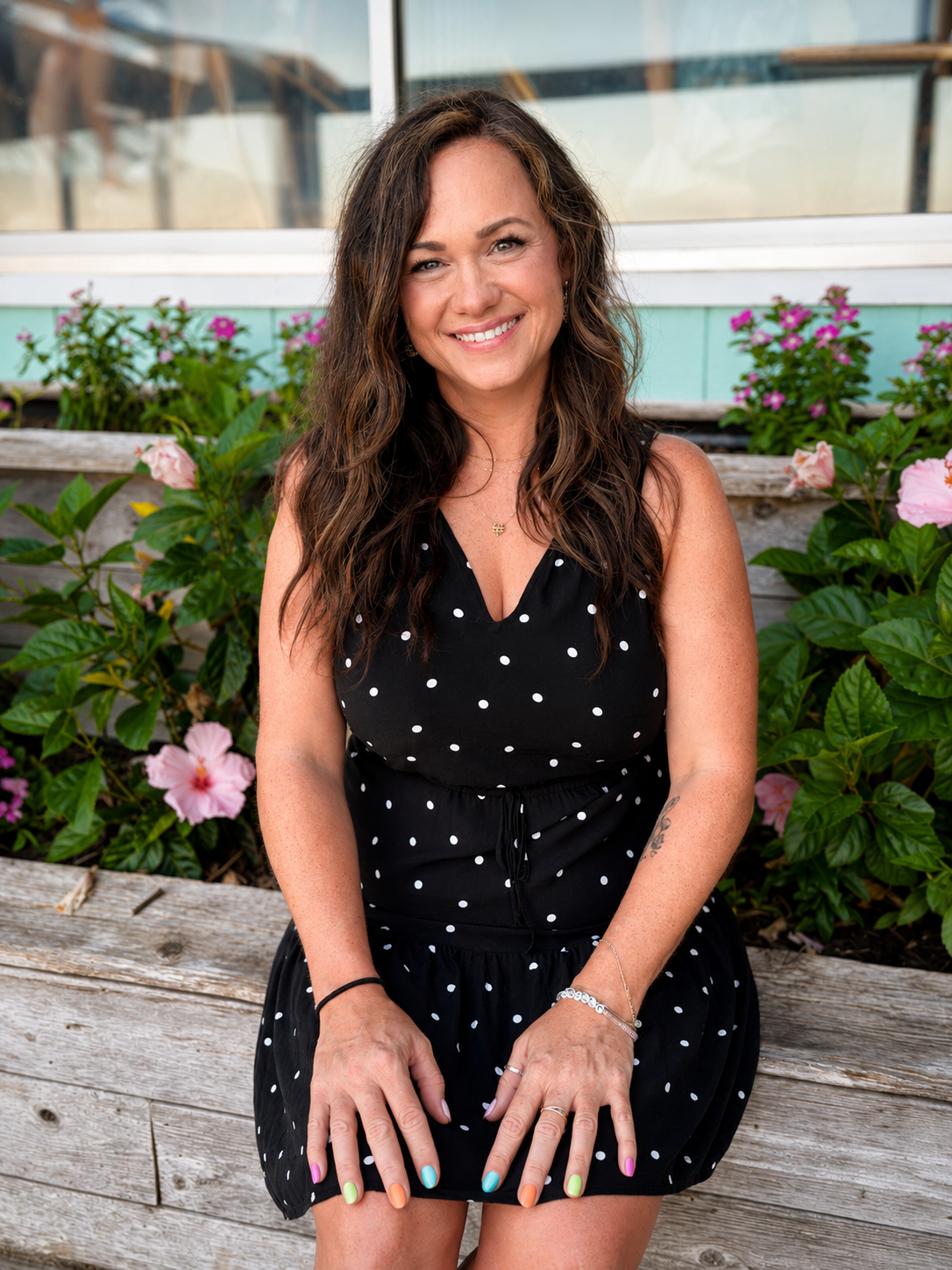
Hi. I'm Shelly.
And I'm a people pleaser.
No, I haven't officially been diagnosed (although if that were a thing, I'd probably qualify). I've spent most of my life believing that being "good" meant making everyone else happy.
I chased "good job." I waited for "thank you." I secretly loved hearing, "I don't know what we'd do without you, Shelly!"
Every compliment felt like proof that I was enough.
The cost, however, was enormous.
Every yes to someone else slowly became a no to myself.
A personal story about people-pleasing, perfectionism, and discovering that worth was never something to earn.
Hi. I'm Shelly.
And I'm a people pleaser.
No, I haven't officially been diagnosed (although if that were a thing, I'd probably qualify). I've spent most of my life believing that being "good" meant making everyone else happy.
I chased "good job." I waited for "thank you." I secretly loved hearing, "I don't know what we'd do without you, Shelly!"
Every compliment felt like proof that I was enough.
The cost, however, was enormous.
Every yes to someone else slowly became a no to myself.
As a little girl, helping people felt like a calling. I believed that's what good people did.
Good daughters helped. Good students helped. Good Christians helped. Good girls helped.
So I helped.
All of those things were ingrained in me as I grew up. And let's be honest, they're ingrained in most girls.
This way of living didn't really catch up to me until I got older.
As I started working full time and raising my girls, I began to feel the weight of always trying to do "the right thing." Raising children is already one of the most physically, mentally, and emotionally demanding jobs there is. It becomes even heavier when you're still trying to live up to an impossible standard you created for yourself years before.
I answered parent emails on the weekends. I volunteered. I stayed late and worked from home. I brought the homemade cupcakes, designed the invitations, and signed up for one more committee.
I said yes.
Then yes again.
The problem wasn't volunteering. The world needs volunteers, and I'm deeply grateful for the people who have given their time to make my own life better.
The problem was me.
I didn't just do the thing—I did it ten times over.
Want a baking-themed birthday party? I've got two dozen chef hats adorned with flowers made from cupcake liners, baking supplies to fill two kitchen cabinets, boxes with individual name tags, and a perfectly designed banner to complement the whole day.
Need cupcakes for a potluck? I'll spend hours looking for the perfect recipe, make them by hand with homemade frosting and chocolate ganache filling, and somehow also make every cupcake liner match the theme.
Throw a baby shower? I've got custom invitations, themed cookies, cake pops, coordinated games, and baby pictures framed on every table.
I do it big.
I've always been someone who gives everything she has. So when I became a teacher, I poured that into my classroom. When I became a mom, I poured it into my home.
Everything looked organized, thoughtful, put together. From the outside, it probably looked like I had it all figured out.
What no one could see was how much of myself it was costing me.
The strange thing about people-pleasing is that it can look a lot like success. People compliment you for always showing up. They thank you for going above and beyond. They tell you they don't know how you do it all.
What they don't see is that you're paying for all of it somewhere else. Every time I made someone else's life a little easier, I was unknowingly making my own a little heavier.
Eventually, I began to slow my roll on some things.
I started saying no.
Not all the time. Not gracefully. But enough to notice something surprising.
Some people didn't like it.
It turns out that when people are used to you always saying yes, your boundaries can feel like rejection. The people who had benefited most from my constant availability often struggled the most when I stopped abandoning myself to meet their needs.
And for someone who had spent her whole life measuring her goodness by other people's happiness, their disappointment felt almost unbearable at first.
Around that same time, as I was unpacking childhood trauma and the struggles in my marriage, I started seeing a therapist.
Looking back, I realize I even carried my people-pleasing into therapy.
I wanted to be the "good" client. The one who was self-aware. The one who was making progress. Sometimes I'd catch myself saying, "I'm fine," or explaining away my feelings before I'd really sat with them. I wanted her to think I was doing okay.
It's funny now because therapy is probably the one place where pretending you're okay completely defeats the purpose. Meanwhile, years-later me is over here like, Girl. Whyyyy? 😂
Anyway, I digress.
I logged into those sessions hoping she'd help me make sense of everyone else.
Instead, she gently helped me make sense of myself.
That's a hard realization—to discover that while you can't control the people who've hurt you, you can change the patterns that keep hurting you.
One therapy session has stayed with me for years.
It was shortly after COVID, so we met virtually. I had spent the first part of the session explaining something that had happened and why it bothered me.
She stopped me.
"Are you at home?"
"Yeah," I said, glancing around the spare bedroom that had become my virtual classroom—ring light, anchor charts, notebooks, and all.
"Do you have anywhere to go today?"
"No..."
"Then, if you don't mind me asking, why are you wearing a full face of makeup?"
I paused.
Then I laughed.
"I don't know," I said. "Err. I just like being ready I guess..."
At least, that's what I thought.
But after the session ended, I couldn't stop thinking about her question.
Why was I wearing makeup in my house with nowhere to go?
Did I feel like I needed to impress her?
Was I trying to look more put together?
Or had I simply become so accustomed to presenting the best version of myself that I no longer knew how to show up any other way?
Before we ended the session, she challenged me to try something.
"Go one day without wearing makeup," she said. "Just notice how it makes you feel."
It sounded simple enough.
Until it was time to leave the house.
Even if I was only running to the grocery store, I felt the urge to get ready first.
That's when I realized something.
I wasn't uncomfortable because my face was bare.
I was uncomfortable because I wasn't hiding behind the version of myself I'd spent years carefully creating.
Somehow, looking "put together" had become about more than mascara and curled hair. It had become part of how I earned respect, part of how I felt acceptable, and part of how I believed I was supposed to show up in the world.
That conversation—and the many therapy sessions that followed—began unraveling something I hadn't even realized I was carrying. Little by little, I started separating who I was from who I thought I needed to be.
If you know me today, you'd probably still describe me as "put together."
I still enjoy curling my hair before I head out. I still enjoy trying a new mascara, adding a pair of lashes, or throwing in a clip-in hair extension when it makes me feel good. I still like getting dressed in an outfit that makes me smile when I catch my reflection.
On the surface, not much has changed.
The difference isn't what I do.
The difference is why I do it.
I don't get ready because I'm worried about what people will think if I don't. I get ready because it's something I genuinely enjoy.
And on the days I don't? That's okay too.
That realization didn't stop with makeup. I started noticing the same shift in every other area of my life.
I still bake the homemade cupcakes sometimes. I still throw themed birthday parties. I still decorate classrooms. I still volunteer.
But I don't do those things because I'm trying to earn my worth anymore.
I do them because they're an expression of who I am—not proof that I'm enough.
I've grown in other ways, too. I've learned to tell my kids no when I can't do something. I've learned to tell parents at school that I can't always go above and beyond, even when I want to. I've learned to tell colleagues, "I need a minute," after a particularly difficult hour.
I've learned that boundaries aren't walls—they're the way I protect my peace. They help me decide who has access to my time, what behavior I'll accept, and how much of myself I'm willing to give.
And the people who truly love me don't need me to abandon myself to prove it.
I used to confuse being needed with being loved. I thought saying yes made me valuable and overdoing everything made me worthy.
It took years—and one observant therapist—to help me realize something:
My worth was never hiding behind homemade cupcakes, perfect classrooms, flawless makeup, or another exhausted yes.
It had been there all along.
Before You Go...
Every story has a lesson hidden inside it.
Here's mine:
The healthiest relationships in my life didn't begin when I learned to give more. They began when I finally believed I didn't have to earn my place in them.
Boundaries didn't make me less loving—they made my love genuine because it was freely given instead of driven by guilt or fear.
My question for you:
When was the last time you said yes to yourself without feeling the need to apologize for it?
The Dolly I never Knew
I grew up knowing Dolly Parton without ever really knowing Dolly Parton.
She was just… there.
Her songs played in my mom’s car. Her name was part of country music long before I understood anything about country music. When I was six, my family visited my aunt and uncle in Nashville and took a trip to Dollywood. I remember the rides. I remember getting sunburned. And for some reason, I remember this random picture of me standing in a doll store with my shoulders shrugged and my face twisted into an “I don’t know” expression. My mom loved that picture. I’m pretty sure she even had it framed at one point.
Later, there were trips to Branson and the Dixie Stampede. My mom loved it. I mostly remember the cattle. The horses. The smells.
Dolly was woven into the background of my childhood.
But it would take me almost forty years to actually see her.
Fast forward to March of this year.
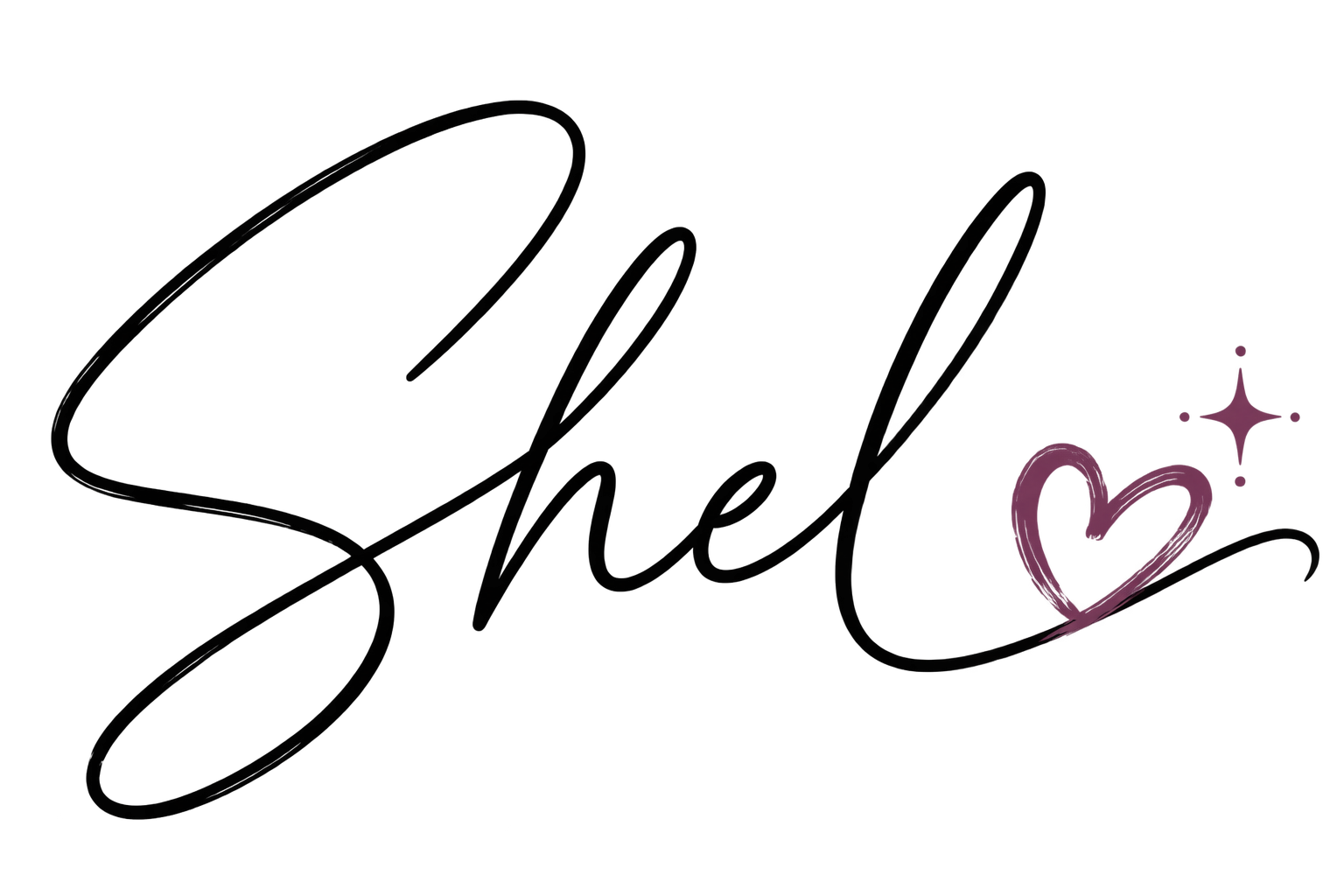
I was back in Nashville, this time with my friends—my girl gang. At some point, they decided they wanted to visit a Dolly Parton exhibit at the Country Music Hall of Fame. I wasn't exactly thrilled. I remember thinking something along the lines of, Okay. Sounds like something new, I guess.
I grew up knowing Dolly Parton without ever really knowing Dolly Parton.
She was just… there.
Her songs played in my mom’s car. Her name was part of country music long before I understood anything about country music. When I was six, my family visited my aunt and uncle in Nashville and took a trip to Dollywood. I remember the rides. I remember getting sunburned. And for some reason, I remember this random picture of me standing in a doll store with my shoulders shrugged and my face twisted into an “I don’t know” expression. My mom loved that picture. I’m pretty sure she even had it framed at one point.
Later, there were trips to Branson and the Dixie Stampede. My mom loved it. I mostly remember the cattle. The horses. The smells.
Dolly was woven into the background of my childhood.
But it would take me almost forty years to actually see her.
Fast forward to March of this year.
I was back in Nashville, this time with my friends—my girl gang. At some point, they decided they wanted to visit a Dolly Parton exhibit at the Country Music Hall of Fame. I wasn't exactly thrilled. I remember thinking something along the lines of, Okay. Sounds like something new, I guess.
Then, in a plot twist seemingly designed specifically for me, I discovered there was also a Taylor Swift exhibit happening that same weekend. So naturally, I walked in giddy and excited and completely wowed by that first.
By the time we made our way into the Dolly exhibit, I thought I knew what to expect. Sequins. High heels. Cowboy hats. Guitars. Songwriting notes. All the things I had associated with Dolly for as long as I could remember.
And they were there.
But underneath all of it was a woman I had somehow never seen.
There were stories I had never heard. Stories of love. Of forgiveness. Of courage. Of incredible strength. I learned more about the childhood she came from and the life she built. I learned about the man she loved for nearly sixty years. I learned about her faith and her love for Jesus.
And then, surrounded by glass cases, soft lights, sequins, and stories, Dolly Parton stepped out of the background of my life.
But it was an interview playing inside the exhibit that really stopped me.
I stood there listening to Dolly talk about the things she believed. About loving people. About gay marriage. About giving to people who had less. About feeding people who were hungry and making sure children had access to education.
And I remember thinking, Wait a second. I believe these things too.
There was so much wisdom in the way she spoke. She wasn't loud about it. She wasn't trying to convince anyone that she was a good person. She just seemed incredibly sure of what she believed—and even more sure that loving people was supposed to be part of it.
I had spent my whole life associating Dolly Parton with sequins and big hair and “9 to 5” and “I Will Always Love You.” But standing there, I realized that underneath all of that glamour was someone who had spent decades quietly putting her beliefs into action.
She didn't just talk about caring for people. She cared for them.
I remember standing in front of one of her dresses for the longest time after the interview ended. All those rhinestones and sequins sparkling in front of me, and suddenly they weren't the most interesting thing about her at all.
I think I actually said out loud, “I had no idea.”
And maybe that's the part that has stayed with me most.
I had no idea.
I walked out of that exhibit admiring a woman I had barely given much thought to when I walked in. Not because of what she had accomplished or how famous she had become, but because of the way she seemed to move through the world—completely herself, deeply rooted in what she believed, and still making room to love people who were different from her.
I wanted a little more of that in myself.
Finding out about her passing was another pivotal moment for me. As I scrolled through social media, I noticed the broad spectrum of people—across all the usual dividing lines—sharing the same love and admiration for this woman.
People who probably didn't agree on much of anything agreed on Dolly.
And there was something incredibly beautiful about that.
We live in a time when it often feels like there are more things dividing us than joining us. More reasons to choose sides. More reasons to decide who is right and who is wrong, who belongs and who doesn't.
And then there was Dolly.
Maybe the reason Dolly was loved by so many different kinds of people wasn't because they all agreed with her. Maybe it was because she somehow figured out how to love people without first requiring them to agree with her.
What an inspiration.
To love like Dolly. To judge a little less like Dolly. To help the people who need it like Dolly. And to be authentically, unapologetically, fabulously ourselves like Dolly.
Maybe the world could use a little more Dolly in all of us
Christmas in May
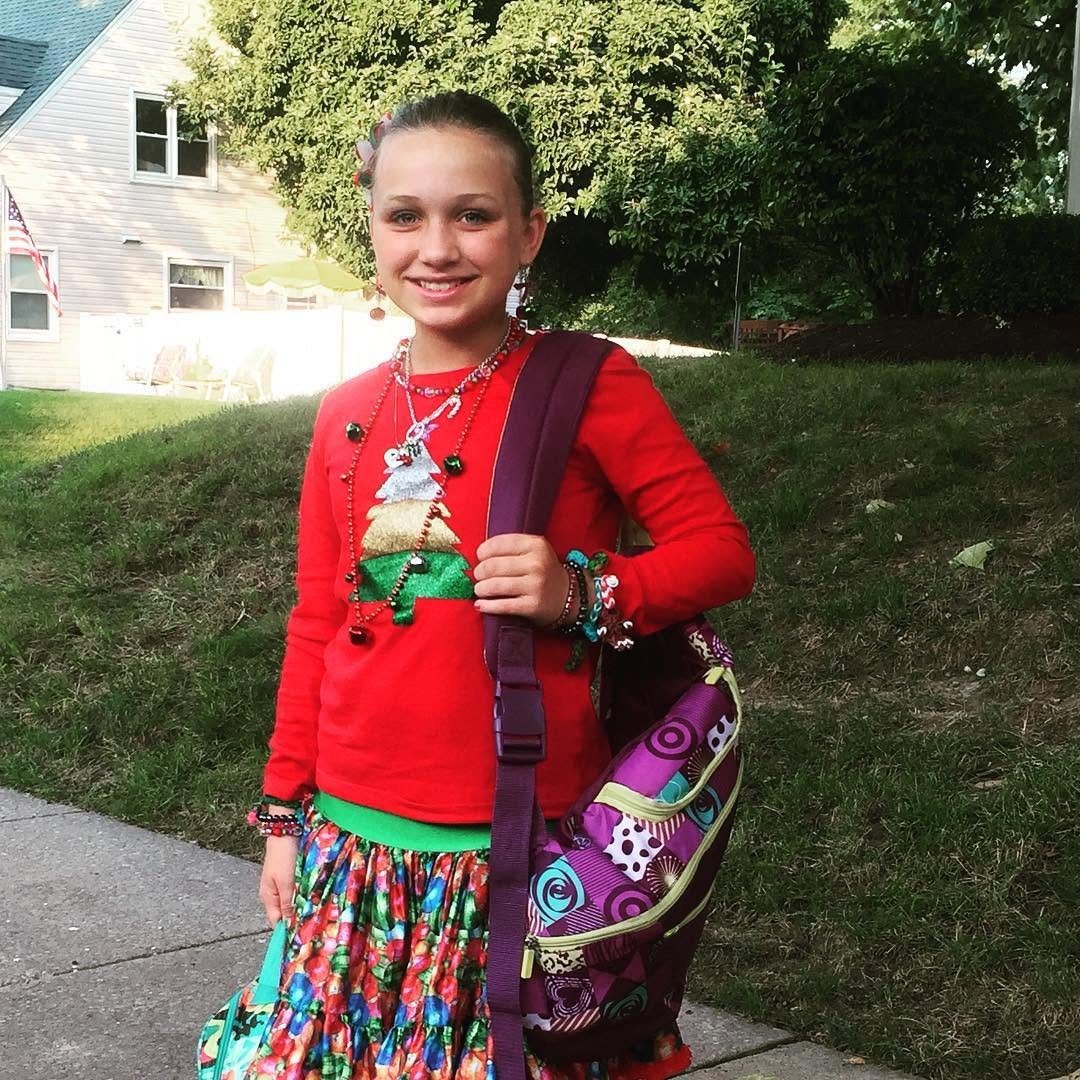
It was the middle of May, and my daughter was dressed for Christmas.
Not Christmas-themed. Not a shirt with a subtle snowflake.
Full Christmas.
The outfit had been carefully selected as part of her strategy for surviving state testing week. She had planned her outfits in advance, painted her nails, and decided she would wear Christmas clothes every day for good luck.
And she couldn't have cared less what anyone thought about it.
That was Abby.
For as long as I can remember, Abby has marched to the beat of her own drum. Actually, that's not quite right. She didn't just march to her own drum. She decorated the drum, gave it a Christmas theme, and invited everyone else to join her.
Her love of Christmas started long before fourth grade. She wore Christmas clothes year-round, had Christmas-themed birthday parties in August, and played Christmas music whenever she felt like it.
It was the middle of May, and my daughter was dressed for Christmas.
Not Christmas-themed. Not a shirt with a subtle snowflake.
Full Christmas.
The outfit had been carefully selected as part of her strategy for surviving state testing week. She had planned her outfits in advance, painted her nails, and decided she would wear Christmas clothes every day for good luck.
And she couldn't have cared less what anyone thought about it.
That was Abby.
For as long as I can remember, Abby has marched to the beat of her own drum. Actually, that's not quite right — She didn't just march to her own drum. She decorated the drum, gave it a Christmas theme, and invited everyone else to join her.
Her love of Christmas started long before fourth grade. She wore Christmas clothes year-round, had Christmas-themed birthday parties in August, and played Christmas music whenever she felt like it.
To Abby, joy wasn't something you saved for a season. It was something you carried with you wherever you went.
As her mother, I loved that about her—her creativity, her confidence, and her willingness to be completely herself.
But I didn't fully understand what a gift that confidence was until she started fifth grade.
That year, she moved to a new intermediate school, surrounded by students from all over the district. Most of them didn't know her.
But that didn't stop Abby from being Abby. She still wore her favorite Christmas skirt on important days, and got her lockermate to agree to Christmas lights inside the locker. She wasn't toning herself down just because she was somewhere new.
One afternoon, she came home from school and casually repeated something another student had said to her that day: “It looks like Christmas threw up all over you.” She said it like it was nothing. I heard it like a punch.
I immediately braced myself. My knee-jerk reaction—at least in my head—was something along the lines of, Who hurt you, and where can I find them? Every protective instinct in me wanted to go full mama bear.
Thankfully, I kept that part in my head.
On the outside, I stayed calm, trying to remember everything I knew about listening first and letting my child tell me how she felt instead of deciding how I thought she should feel. Many years in public education will do that to you.
I studied her face, trying to figure out how badly the comment had hurt.
“How did that make you feel?” I asked as my throat tensed up.
Without missing a beat, she said, “I told her I like it. And if she doesn’t like it, she doesn’t have to wear it or look at it.”
I just stared at her.
My ten-year-old daughter had responded to criticism with more confidence than many adults ever develop. She wasn’t defensive or angry. She wasn’t trying to convince anyone. She simply knew who she was, and she was okay with it.
At the time, I couldn’t fully explain why that moment affected me so deeply. Looking back, I understand. What I was witnessing wasn’t just confidence.
It was freedom.
Freedom from needing everyone’s approval. Freedom from shrinking to make other people comfortable. Freedom from constantly editing yourself to fit what others expect.
Those were things I had struggled with for most of my life—people-pleasing, keeping the peace, avoiding conflict, trying not to rock the boat.
Meanwhile, my daughter was out there wearing Christmas outfits in May and refusing to apologize for it.
Without realizing it, she was teaching me something.
As Abby grew older, that same confidence showed up in different ways. She wasn't afraid to speak up when she thought something was unfair. She advocated for feminine products to be available in school bathrooms so girls wouldn't have to ask and pay for them. She challenged dress code policies she believed treated boys and girls differently. She marched alongside people who needed support and publicly stood behind causes she believed in.
Sometimes people agreed with her. Sometimes they didn't.
That never seemed to matter much to Abby. She knew what she believed, and she wasn't interested in making herself smaller to make other people more comfortable. I've always admired that about her. I still do.
If you asked me about Abby, I could tell you a hundred stories. I could tell you about the cardboard dollhouses and handmade games, the birthday party entirely themed around bacon, or the slime experiment that permanently claimed a section of her bedroom carpet.
I could tell you about her intelligence, her work ethic, and how she’s completely rocking her classes as she works toward her degree. And I am incredibly proud of those things.
But when I think about what inspires me most about Abby, it isn't something you can measure with grades, awards, or achievements.
It's her courage to be fully herself.
To know what she believes. To stand behind it. To take up space without apologizing for who she is. That's the part of Abby that I hope I never stop learning from.
She has always had the courage to be exactly who she is—not who someone else wants her to be, not who the crowd expects her to be, and not who would make life easier.
For years, I thought my job as a parent was to teach my children how to move through the world. And of course, part of it was. But as time moved on, Abby started teaching me too.
She taught me that not everyone has to like you. That standing up for something is often uncomfortable. That being authentic matters more than being approved of. And that kindness and courage can absolutely exist in the same person.
Most of all, she taught me that taking up space is not something you need permission to do.
I spent much of my life trying not to rock the boat.
My daughter showed me what it looked like to climb into the boat, paint it Christmas colors, and sail it exactly where she wanted to go.
Today, that little girl in the Christmas outfit turns 22. And after all these years, one thing hasn't changed.
She is still completely, unapologetically Abby.
And I couldn't be prouder.
Before You Go...
Every story has a lesson hidden inside it.
Here's mine:
Sometimes the people we’re supposed to be teaching end up teaching us, too.
Watching Abby grow into someone who trusts her own voice, stands behind what she believes, and refuses to make herself smaller has reminded me that being fully yourself takes courage.
And maybe one of the greatest gifts we can give the people we love is the freedom to become exactly who they were meant to be.
My question for you:
Who in your life has taught you something simply by having the courage to be fully themselves?
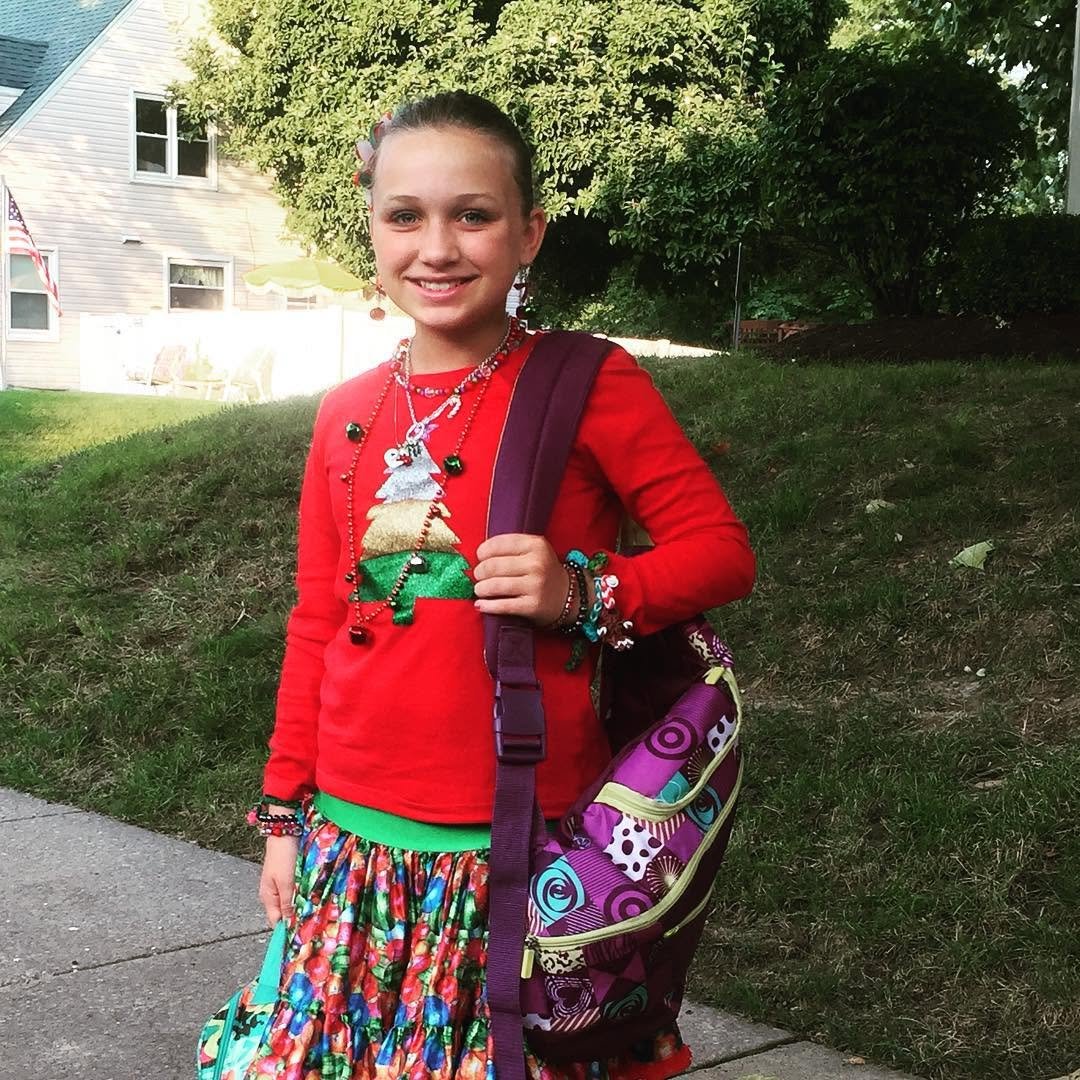
Abby on the first day of 5th grade.
A Place for All of Me
I’ve been thinking about belonging lately. Not just because I’m a self-help book nerd who has read (and reread) almost all of Brené Brown’s work, but because life has a funny way of taking things we think we understand and giving us a reason to look at them again. Like looking through a window you’ve looked through a hundred times, only to notice something in the view you’ve never seen before.
So recently, belonging has been one of those things for me.
I’ve been thinking about what it means, what it feels like, and maybe most importantly, how we know when it’s real.
Naturally, I can’t explore what it really means to belong without looking at it through the lens of my own life. I’ve experienced a deep sense of belonging in so many places—school, teams, church, friend groups, families I’ve been a part of, and work environments. I’ve known what it feels like to look around and think, These are my people. This is where I belong.
But some of those same spaces have also taught me that feeling like you belong and truly belonging aren’t always the same thing.
Brené Brown writes, “True belonging never asks us to change who we are. True belonging requires us to be who we are.”
Some of the most heart-wrenching experiences of my life have come from believing I truly belonged somewhere, only to discover that my place there came with conditions—conditions I didn’t even know existed until I stepped outside of them.
I’ve been thinking about belonging lately. Not just because I’m a self-help book nerd who has read (and reread) almost all of Brené Brown’s work, but because life has a funny way of taking things we think we understand and giving us a reason to look at them again. Like looking through a window you’ve looked through a hundred times, only to notice something in the view you’ve never seen before. So recently, belonging has been one of those things for me.
I’ve been thinking about what it means, what it feels like, and maybe most importantly, how we know when it’s real.
Naturally, I can’t explore what it really means to belong without looking at it through the lens of my own life. I’ve experienced a deep sense of belonging in so many places—school, teams, church, friend groups, families I’ve been a part of, and work environments. I’ve known what it feels like to look around and think, These are my people. This is where I belong.
But some of those same spaces have also taught me that feeling like you belong and truly belonging aren’t always the same thing.
Brené Brown writes, “True belonging never asks us to change who we are. True belonging requires us to be who we are.”
Some of the most heart-wrenching experiences of my life have come from realizing that a place where I once felt completely secure wasn’t quite what I thought it was. There’s a particular kind of loss in suddenly questioning a sense of belonging you never thought you’d have to question.
To me, true belonging means being fully yourself and still knowing there is a place for you. It makes room for difference, growth, change, and imperfection—not without accountability, but without requiring us to get everything right.
The truth isn’t necessarily that the people in those spaces never cared about me. Their love and friendship may have been completely genuine. But being cared for by someone and experiencing true belonging with them aren't always the same thing.
Sometimes what we thought was belonging was actually just fitting in.
Fitting in asks us to adjust ourselves to earn or keep our place. True belonging makes room for who we already are. It doesn’t require sameness. It doesn’t ask us to hide the parts of ourselves that might make someone else uncomfortable. It allows us to be fully, authentically ourselves and still know: There is a place for me here.
And maybe that doesn’t mean the relationship was fake. It just means we finally discovered what it could—and couldn’t—hold.
But maybe there is something freeing in discovering that, too.
Because now I know what I’m looking for: the kind of belonging that has room for all of me—not just the parts that are easiest to understand, agree with, or accept.
Finding that kind of belonging, though, isn’t only about what I ask of others.
It asks me to stop editing myself to preserve my place. To stop making myself more agreeable just to remain accepted. To stop hiding the parts of me that someone else might consider too much, too different, too passionate, too emotional, too ambitious, or simply unexpected.
It asks me to own the things I get wrong without making them my identity. To allow other people to choose what they need for themselves without making their choice the measure of my worth.
Because at this point in my life, I’m not abandoning myself to fit in.
I’m choosing to belong to myself, too.
And that’s where true belonging begins.
Before You Go...
Every story has a lesson hidden inside it.
Here's mine:
There is a difference between being accepted because you fit in and belonging because you are fully yourself.
I spent a long time thinking belonging meant finding the right people and places. But true belonging also begins with me—with refusing to abandon pieces of myself just to make sure someone else keeps choosing me.
My question for you:
Where in your life do you feel free to be completely yourself—and where might you still be editing who you are in order to belong?
The People You Never See Coming
In life, there are people who you expect will change you.
A parent, a spouse, a best friend, maybe a teacher…
And then there are the people you never see coming.
They quietly walk beside you through multiple chapters until one day you realize their fingerprints are all over some of the most important moments of your story.
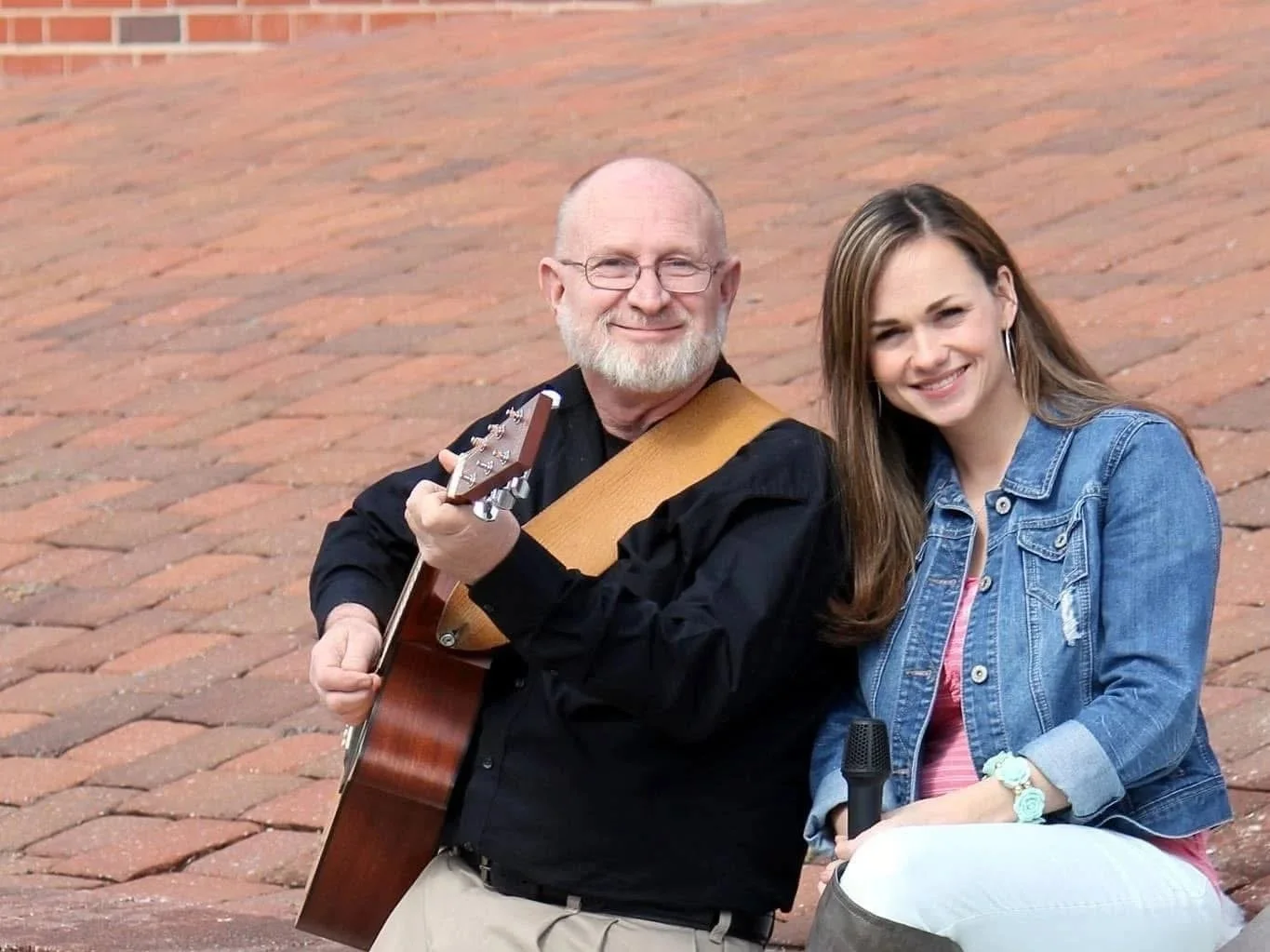
Mel is one of those people.
When we first met, he was simply the music teacher at the elementary school where I taught. Our students knew him as Mr. O.—the one behind the Veterans Day programs that made me cry every year, the talent shows everyone looked forward to, and the music classes both of my daughters loved.
I respected him, but at the time we were simply coworkers. Nothing more.
Life has a funny way of introducing people into your story long before you understand why they're there.
I knew Mel had spent much of his life playing music, so one day I asked if he still played in a band.
He laughed.
In life, there are people who you expect will change you — A parent, a spouse, a best friend, maybe a teacher…
And then there are the people you never see coming. They quietly walk beside you through multiple chapters until one day you realize their fingerprints are all over some of the most important moments of your story.
Mel is one of those people for me.
When we first met, he was simply the music teacher at the elementary school where I taught. Our students knew him as Mr. O.—the one behind the Veterans Day programs that made me cry every year, the talent shows everyone looked forward to, and the music classes both of my daughters loved.
I respected him, but at the time we were simply coworkers. Nothing more.
Life has a funny way of introducing people into your story long before you understand why they're there.
I knew Mel had spent much of his life playing music, so one day I asked if he still played in a band.
He laughed.
"If you count me and my son messing around on weekends, then sure."
I smiled. "I used to sing."
Somehow, between teaching, raising my girls, and meeting the demands of adult life, I'd quietly stopped making room for that part of myself.
I didn't know it then, but saying those four words—I used to sing—was really another way of saying, I miss who I used to be.
Maybe you've had something like that too—a hobby, a dream, or a piece of yourself that slowly got buried beneath the responsibilities of everyday life.
Then, I asked a question that would end up changing my life far more than I ever imagined.
"What do you think about playing together sometime?"
His face lit up.
Within weeks, we were meeting after school, trading song ideas, and practicing for hours.
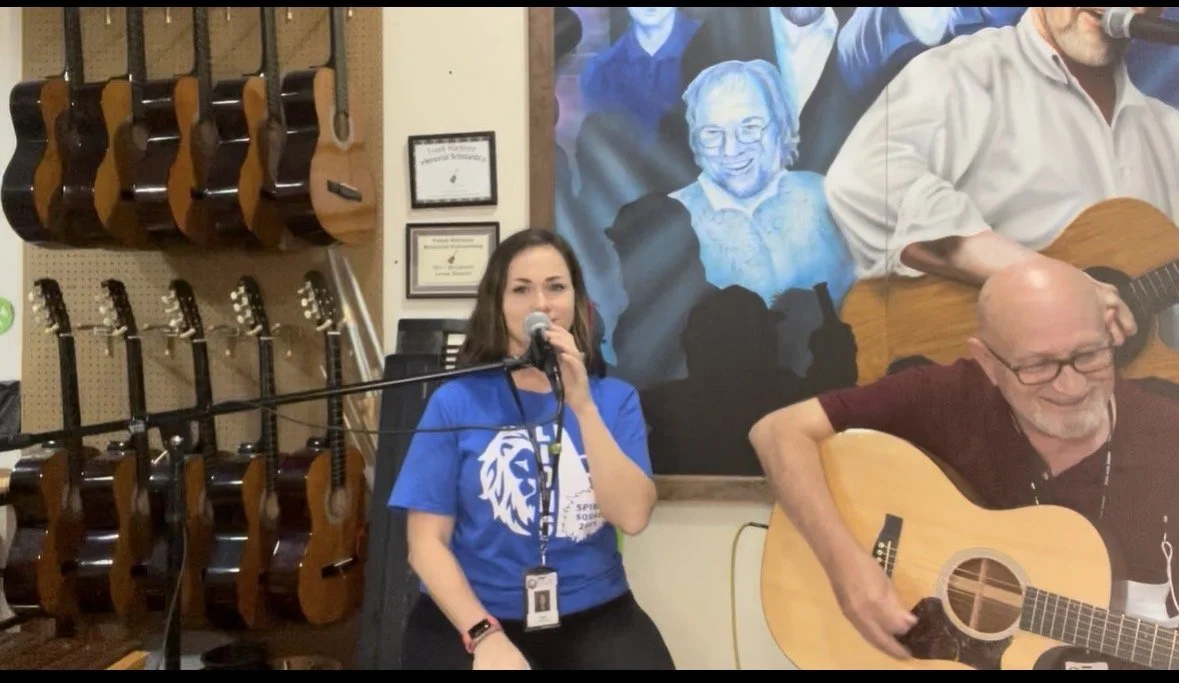
At the time, I thought I was simply asking someone to help me sing for a few gigs on the weekends.
I had no idea it was the beginning of a friendship that would carry me through some of the most meaningful years of my life.
Music was the beginning.
Not the point.
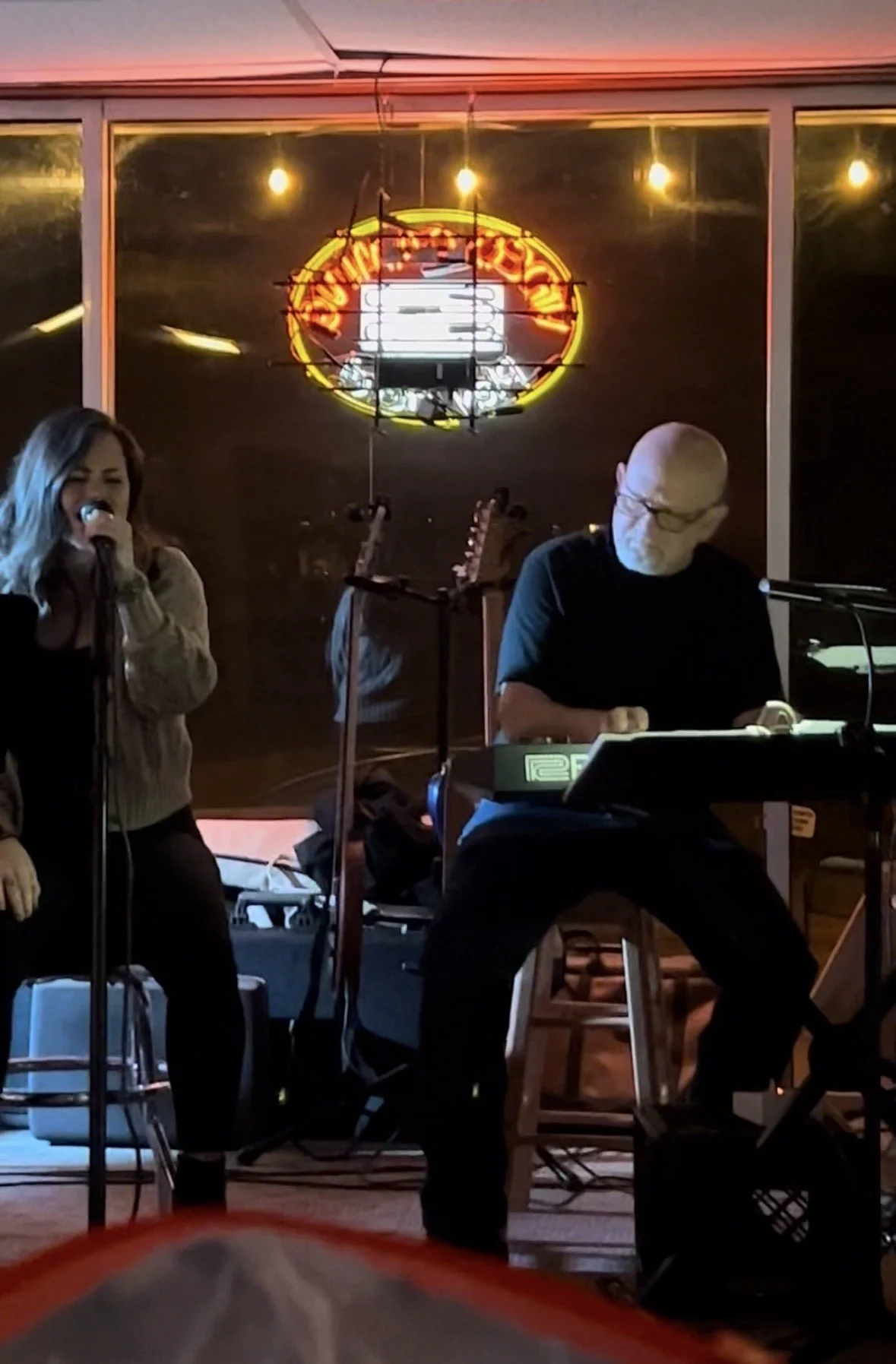
What started as two people playing a few songs together for a few years eventually grew into joining a full band with some of Mel's buddies in rural Illinois about 70 miles away. Singing stopped being something I used to do and became part of my life again.
The drives to rehearsals became part of the rhythm of our friendship.
Over the years, we've spent countless hours practicing, performing, driving to and from rehearsals, talking...
And talking.
And talking some more.
Some of the best conversations of my life have happened in the passenger seat of Mel's car.
Maybe that's why one of the smallest things he does has stayed with me all these years.
He never lets me open my own door.
Ever.
No matter how many times I try. He laughs and tells me to wait. Then he walks around and opens it himself.
It's such a small thing—a door.
But after years of being the one who takes care of everyone else, there is something surprisingly comforting about having someone take care of me, even in the smallest ways.
I don't think it’s really about the door. It's about being seen. Being considered. Someone quietly saying, I've got this.
And sometimes those small acts stay with us longer than the big ones.
The drives have become a ritual.
We talk about music.
Teaching, marriage, parenting, life.
He tells me stories about the towns where he's lived, the bands he's played in, the mistakes he's made, the adventures he's had, the marriages that haven’t worked, and the lessons he learned the hard way.
And I listen.
Not because he has all the answers, but because there is wisdom in those stories. The kind of wisdom that can only come from living a lot of life.
Looking back, those conversations feel a lot like the conversations I imagine daughters have with fathers as they grow older. Not lectures. Not advice sessions. Just stories shared over time, with little pieces of wisdom tucked inside them.
After practice, sometimes we stop at Taco Bell on the way home. I introduced him to nacho fries.
To this day, I consider that one of my greatest accomplishments.
The thing about Mel is that he never tries to impress anyone. He isn't trying to be a mentor or teach life lessons. He's just himself—honest, steady, authentic. And that makes people trust him.
When my marriage began falling apart, Mel was one of the people who quietly showed up. He listened and asked questions. He offered perspective. And sometimes he told me things I didn't necessarily want to hear.
When I was ready to walk away from the divorce with far less than I deserved because I simply wanted it to be over, Mel pushed back. Not because it benefited him. Not because he was angry. And not because he wanted revenge. Actually, quite the opposite.
As someone who had been through divorce himself, he understood the long-term realities better than I did.
What made his perspective different was that he had been on the other side. He had been the one writing the checks. He understood the frustration, resentment, and complications that come with untangling a life from someone else's.
And yet, he still believed I needed to protect myself and my future.
That mattered to me.
Because by that point, I had spent so much time doubting myself that I wasn't sure what was fair anymore. I just wanted it to be over. I wanted the conflict to stop. I wanted everyone to be okay.
But Mel reminded me that protecting myself wasn't selfish. That my future mattered too. That fairness isn't something you earn by suffering quietly. It's something you deserve simply because your life matters.
Sometimes we need someone else to believe our life has value before we can believe it ourselves.
Looking back, some of the best advice I received during that season came from him. Not because he told me what to do, but because he helped me think clearly when I couldn't.
And when the divorce was over, he was still there.
When I moved into a house and didn't know how to fix something, he was there. When I needed help with a project, he was there. When I needed someone to listen, he was there.
That's the thing about people like Mel. Their impact isn't usually found in one grand gesture. It's found in consistency. It's found in showing up. Again and again. Over time.
Until one day you realize they've become part of the fabric of your life.
Maybe, as you've been reading this, someone has quietly come to mind. Someone whose steady presence shaped your life in ways you didn't fully appreciate at the time. Someone who showed up, again and again, until they became part of your story.
I don’t believe that people come into our lives by accident.
I've come to believe that God has a way of placing people in our lives long before we understand why they're there. I can see His fingerprints on this story just as clearly as I can see Mel's.
Through countless conversations, honest advice, and a steady presence, Mel gave me something I didn't even realize I'd been missing—the kind of wisdom, protection, and encouragement every daughter deserves from a father.
Today, I hope Mel knows that some of the best parts of my story are better because he was in them.
Before You Go...
Every story has a lesson hidden inside it.
Here's mine:
Not every relationship fits neatly into a category. Sometimes people are placed in our lives to fill spaces we didn't even know were empty. And sometimes the people we never see coming become the ones we can't imagine our story without.
My question for you:
Who came to mind as you read this story? Have you ever told them what their steady presence has meant to you?

Looking Underneath
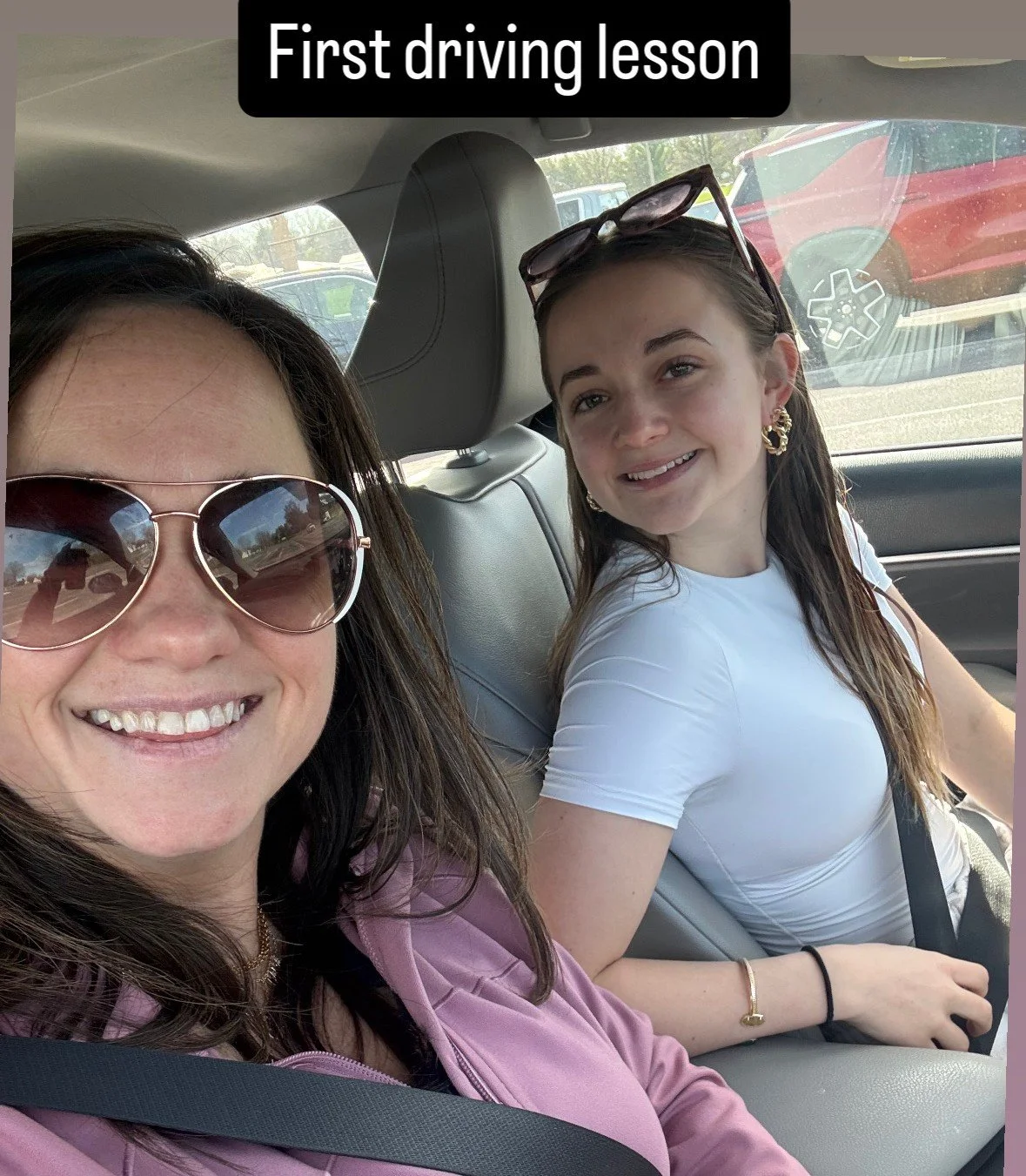
My youngest daughter has her permit.
I probably don't need to say much more than that. Most moms out there are already thinking, I feel you, mama. It's a proud, exciting, and completely terrifying milestone all at once.
As I was driving with her last week—holding tightly to the seat and only shouting, "Wait!" or "Stop!" a couple fewer times than I actually wanted to—I started thinking about a story from when I first began driving.
It was around 2001. I had just gotten my license and was soaking up every bit of freedom that came with it. I could drive wherever I wanted... well, almost. I still wasn't allowed on the highway because I was so new to driving.
My youngest daughter has her permit.
I probably don't need to say much more than that. Most moms out there are already thinking, I feel you, mama. It's a proud, exciting, and completely terrifying milestone all at once.
As I was driving with her yesterday—holding tightly to the seat and only shouting, "Wait!" or "Stop!" a couple fewer times than I wanted to—I started thinking about my own first days behind the wheel.
It was around 2001. I had just gotten my license and was soaking up every bit of freedom that came with it. I could drive wherever I wanted... well, almost. I still wasn't allowed on the highway because I was so new to driving.
My best friend, Amanda, was younger than me, so for that year I became our chauffeur. I drove us to school…to church, Taco Bell…Anywhere we wanted—and that was the exciting part.
Anywhere we wanted (!!!)
One evening I was at her house. I don't remember exactly what we were doing. We were probably making up songs, watching Moulin Rouge, or getting ourselves into some other teenage adventure. Eventually it was time for me to head home.
Amanda lived on a fairly busy street, so I carefully looked out the back window before pulling out. No cars were coming.
I backed out.
Turned the wheel.
Then...
Rumble.
Suddenly my car wasn't moving.
I got out to see what had happened and quickly realized I hadn't turned the wheel nearly enough. I had backed up too far, crossed the road, and planted my car squarely in a muddy ditch.
I climbed back in and pressed harder on the gas.
Nothing.
By now, Amanda and her mom were standing on the porch watching the whole disaster unfold. I got out again, waited for a few cars to pass, and started walking back toward the house.
All I could think was, I'm going to be in so much trouble.
My mom would never trust me to drive again. There would be no more spontaneous trips to the mall or Fritz's for ice cream.
I had to figure this out.
Amanda walked over to the car, laughed, and made some comment about it being "really stuck."
Helpful.
Just then, a man drove by and rolled down his window.
"Do you need help?" he asked.
"Yeah... my car got a little... uh... stuck." I giggled, the way I always do when I'm nervous.
"I've got a tow rope. Let me run home and get it. I'll be right back."
"Okay. Thank you."
I had been taught about strangers. I knew accepting help from a grown man could have felt frightening. But I also knew I had no idea how to get my car out of that ditch, and something about him felt trustworthy.
A few minutes later, he returned with his truck and a tow rope. One quick pull, and my car was free.
Relieved, I thanked him, and he drove away. He had simply appeared at the right moment, helped a stranded sixteen-year-old girl, and continued on with his day.
I assumed everything was fine. No harm. No foul.
I hugged Amanda goodbye and drove home. I walked inside like nothing had happened, said hi, tickled my little brother, and headed straight for the kitchen in search of leftover pizza.
Before I could even lift the lid off the pizza box, my mom walked in.
"What happened to your car?" she asked.
My stomach dropped.
"What do you mean?" I asked, trying to sound confused.
She motioned for me to come outside.
What I hadn't noticed in the dark was that the ditch had left its mark. Nearly a foot of mud, grass, and who-knows-what clung to the entire underside of my car.
Muddy.
Sticky.
Grassy.
"Hmm..." I mumbled, desperately trying to think of a believable explanation.
In that moment, I mentally made a list of everything I should have done before pulling into my driveway. Driven through a car wash. Wiped off the bumper. Maybe crawled underneath the car. Or, at the very least, actually looked at it before obliviously driving home.
I don't remember exactly what my mom said next, but it was probably something sarcastic like, "Did you go joyriding through the Amazon?"
After a long pause...
I told her the truth.
At sixteen, I really believed the problem was over.
I had no idea I was still carrying evidence of it.
Looking back, that's what still makes me laugh. In my mind, the story ended the moment my car was back on the road. I never thought to look underneath. I assumed that because I had escaped the ditch, I had escaped everything that came with it.
I think that's true about life more often than we'd like to admit. Maybe you've had a moment like that too.
A conversation you thought was over.
A relationship you thought you understood.
A mistake you thought was behind you. Then, weeks, months, or even years later, something invites you to look underneath.
As I reflected on this story this week, I realized life was inviting me to look underneath again. Not under a car this time, but beneath a situation I thought I understood.
I won't pretend I enjoyed it. It's uncomfortable realizing there were things you couldn't see and perspectives you hadn't considered. Those moments often become the ones that change us the most.
Maybe that's how life teaches us. Not by giving us brand-new lessons, but by bringing old ones back in new forms. Each season reveals another layer we couldn't have seen before.
This story reminds me that the most important part of the story isn't always the moment itself. Sometimes it's what we discover afterward.
So the next time you find yourself convinced the story is over, maybe pause for a moment.
Take one more look underneath.
You never know what you might discover.
Before You Go...
Every story has a lesson hidden inside it.
Here's mine from this chapter:
Sometimes the biggest lessons aren't found in the moment itself—they're found in what we discover afterward. We all have situations we think are behind us, only to realize later there was more beneath the surface than we first understood. Growth often begins the moment we're willing to look a little deeper.
My Question for You:
Can you think of a time when you looked back on a situation and realized there was more to the story than you could see in the moment? What did you discover once you were willing to look a little deeper?

Proof I was There
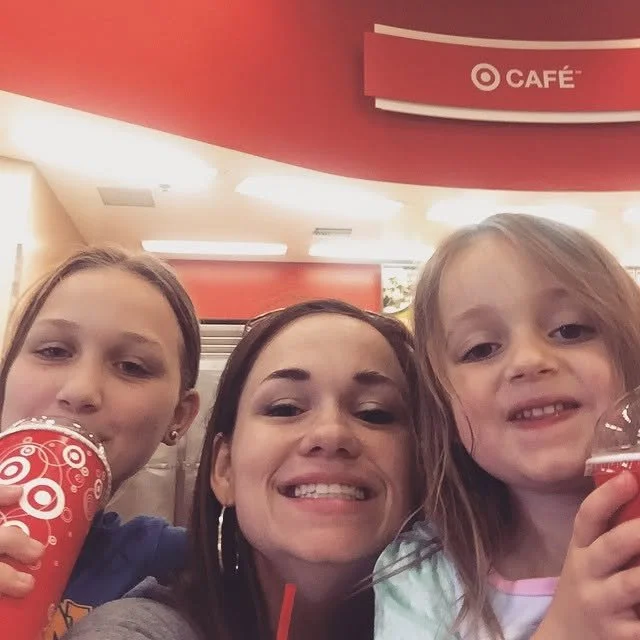
I take a lot of selfies.
Probably more than most people.
Every once in a while, I wonder if someone scrolling past my photos thinks, She sure likes taking pictures of herself.
They're not entirely wrong.
But they're not entirely right either.
It all started with my youngest daughter’s 3rd birthday.
I take a lot of selfies.
Probably more than most people.
Every once in a while, I wonder if someone scrolling past my photos thinks, She sure likes taking pictures of herself.
They're not entirely wrong.
But they're not entirely right either.
It all started with my youngest daughter’s 3rd birthday. She had been completely obsessed with Sofia the First, and if you know me, you know I can't resist a good theme.
In my mind, there was absolutely no reason a three-year-old's birthday party couldn't look like a Pinterest board come to life.
So I went all in.
I spent weeks planning every detail. I designed the invitations by hand, hung banners and balloons, made a homemade "Pin the Crown on Sofia" game (with Abby’s help of course!), wrapped presents, planned the food, and baked cupcakes with frosting in just the right shade of Sofia purple, complete with tiny pearl sprinkles to look like her dress.
The party was everything I hoped it would be. Laughter echoed through the house. Tiny feet ran from one room to the next. The cupcakes disappeared. The presents were opened. My little girl beamed from ear to ear.
The next evening, I couldn't wait to see it all again so I could add it to one of my digital albums. I grabbed my laptop, opened the folder, and started scrolling. (This was during the “ancient times” when photos didn’t automatically live on our phones.)
There was Lilly blowing out her candles.
Her cousins laughing.
Friends gathered around the table.
The decorations.
The cupcakes I'd spent hours making.
Abby helping Lilly unwrap every gift, secretly hoping there was something she could play with too.
I started to smile looking at all the memories that were made. All the things I had imagined came together. I was so proud.
I continued clicking through…
Wrapping paper scattered across the floor.
Smiling faces.
Happy memories.
I kept scrolling.
Then I stopped.
Not because I'd reached the end.
Because I realized something.
I wasn't in a single one of them.
Not one.
Hundreds of photos from one of the most important days of my daughter's childhood, and there wasn't a single piece of evidence that I had been there.
I stared at the screen for a long time.
I had planned every detail of that day. I had baked the cupcakes, wrapped the presents, decorated the house, filled the treat bags, and made sure everyone else had a wonderful time.
Somehow, I had made every memory possible... and forgotten to leave evidence that I was part of it.
Something shifted in me that day.
From that moment on, I stopped waiting for someone else to think I was worth photographing. If I wanted to remember my life, I was going to have to put myself in it.
And that's exactly what I did.
I started taking selfies—on good hair days, on coffee runs, after presentations I was proud of, when my girls made me laugh, on vacations, at concerts, in my classroom, and during my workouts.
Sometimes it was because the lighting in the car was exceptional. Sometimes it was because I wanted to remember exactly how happy I felt that day.
The funny thing is, when I was growing up, I thought my mom took way too many pictures.
Every birthday. Every Christmas. Every skating show. Every random Tuesday when she thought we looked cute.
I remember rolling my eyes, looking away from the camera, and wondering why she couldn't just enjoy the moment.
Now I understand.
She wasn't interrupting the memory.
She was protecting it.
She understood something I wouldn't appreciate until years later.
Even now, when my mom is with me, she's still the one taking my picture. She notices the moments before I do. She's the reason there are pictures of me laughing with my girls, pictures of me at Christmas, and pictures of me just living my life.
It took me years to realize I wasn't the only one.
Once I saw it, I couldn't stop seeing it.
The mom stepping backward so everyone else fits in the picture. The teacher kneeling on the carpet to capture twenty smiling faces, only to realize she isn't in the class photo hanging on the wall. The grandparent quietly photographing another Christmas morning. The friend who always volunteers to take the picture.
The people who work the hardest to preserve the memories are often the ones missing from them.
Somehow, they're the ones behind the camera... and absent from the photographs.
When I think about it, I don't think that feeling after the birthday party was really about the pictures.
It was the first time I realized how easy it is to become the frame around everyone else's picture-- holding everything together while never appearing in it myself.
I wonder how many of us have a camera roll full of the people we love...
...and almost no evidence that we were there loving them.
That's why I never feel guilty about taking selfies.
They're not about vanity.
They're about remembering.
They're proof that I was there.
That I lived this life too.
Someday, someone I love will look back through those pictures.
I want them to know…
I was there.
Before You Go...
Every story has a lesson hidden inside it.
Here's mine from this chapter:
We spend so much of life preserving memories for the people we love.
Don't forget to leave evidence that you were part of them, too.
My Question for You:
Open your camera roll.
How often are you in it?
Not the posed family portrait.
But the ordinary moments.
The coffee run.
The afternoon walk.
The laughter in the kitchen.
If someone looked back at your life years from now, would they know you were there too?
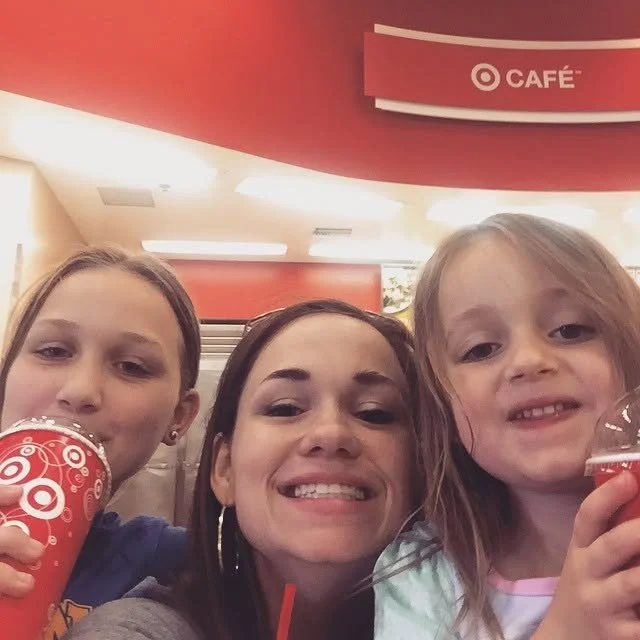

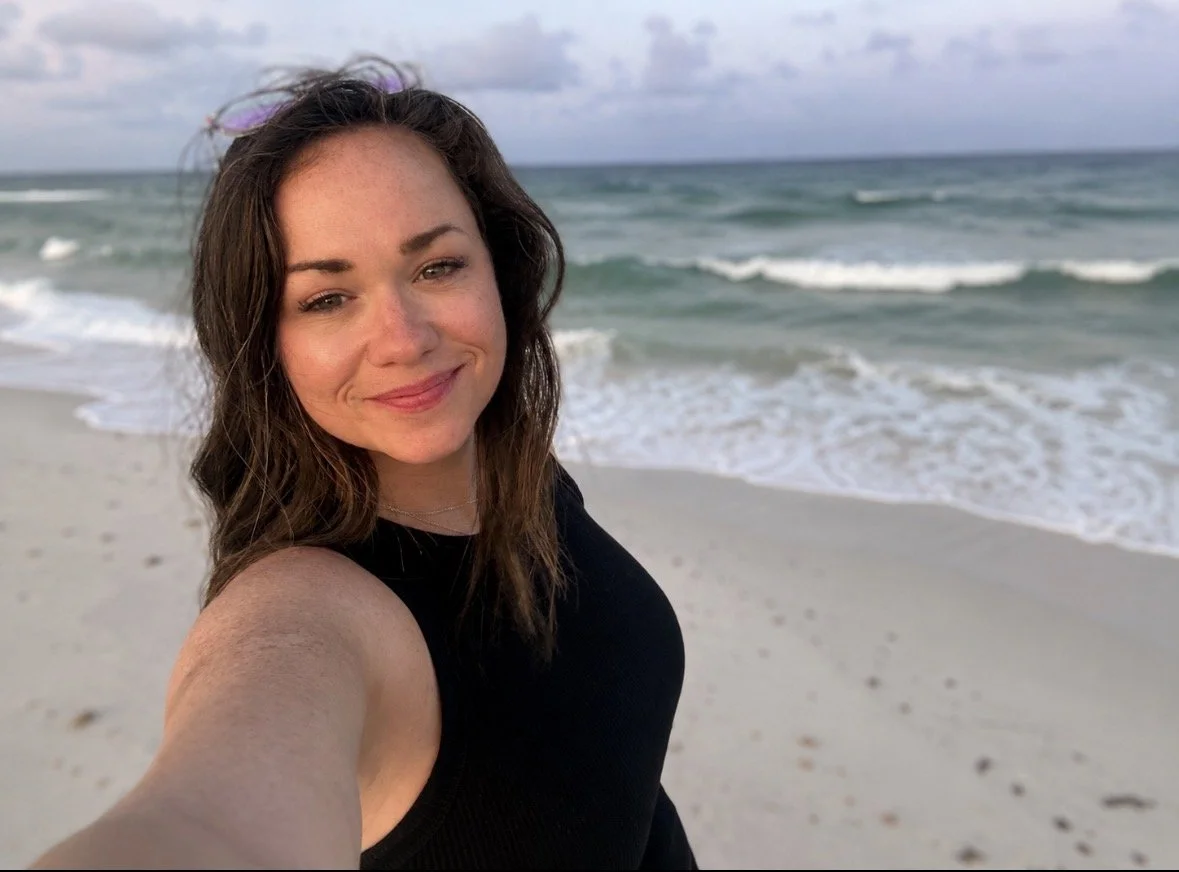
✨The Light I Almost Kept Hidden
If you had told me five years ago that I'd be writing publicly about my life, I probably would have laughed.
I had spent years trying to convince myself that the past belonged in the past. That healing meant moving on. That strength meant pretending everything was okay.
I thought my story was something to overcome. Honestly, I spent a lot of years trying to outrun it.
I never imagined it would become my purpose.
I didn't become passionate about growth because life came easily. Life has stretched me, broken me, rebuilt me, and taught me more than I ever wanted to learn. And somewhere in the middle of all of it, I realized healing wasn't about becoming someone else. It was about becoming myself.
My story includes childhood trauma, growing up with an alcoholic father, losing my brother, wrestling with my faith, untangling spiritual beliefs that no longer served me, and learning that healing sometimes begins with the courage to ask difficult questions.
I became the first person in my family to graduate from college, finishing my degree while raising a toddler after an unplanned pregnancy. Later, I found the strength to leave an emotionally abusive marriage and begin rebuilding a life that finally felt like my own.
A story about fear, vulnerability, and discovering that our stories are meant to be shared.
If you had told me five years ago that I'd be writing publicly about my life, I would have laughed.
For most of my life, I believed my job was to keep everyone else happy.
I learned early how to read a room.
I was always scanning the emotional weather before anyone else noticed the storm.
To keep the peace.
To make myself smaller.
I carried burdens that were never mine, convinced they somehow belonged on my shoulders.
I became so good at taking care of everyone else that I forgot how to take care of myself.
It would take years—and more heartbreak than I ever expected—to remember who I was beneath all of that.
Some chapters of my story have been incredibly painful. They include growing up with an abusive, alcoholic father, losing my brother far too soon, finding my way out of a relationship where I slowly lost myself, and questioning long-held beliefs.
It was while rebuilding my life after that relationship that I finally realized my worth was never meant to be measured by how much of myself I could give away.
But those aren't the only chapters.
My story is also filled with extraordinary beauty. It's raising two incredible daughters who remind me every day what matters most. It's finding friendships that have carried me through some of life's darkest seasons. It's being part of the school communities that have become family. And it's spending nearly two decades helping children grow—not just academically, but into kind, confident human beings.
Looking back, I wouldn't choose every chapter of my story—but I wouldn't erase them either. The difficult chapters taught me resilience. The beautiful ones reminded me what I was fighting for. Together, they shaped the woman I'm becoming.
Healing didn't happen all at once. Trust me—I wish it had.
It happened more like watching the sun rise—so slowly I almost didn't notice the light until one day I realized I wasn't standing in the dark anymore.
But I didn't recognize it until the ordinary moments began to feel different.
The day I drove past my old street without almost turning on my blinker.
The afternoon I passed his old hunting spot and realized it felt more like a memory than a wound.
The first time I could sit with someone else's pain without feeling crushed by my own.
Quiet mornings when coffee tasted a little sweeter.
The nights I stopped worrying about getting every note right and simply smiled as people sang and danced along.
The Sundays I realized it wasn't about singing perfectly, but about the hope someone carried home with them.
Little by little, I realized something I had missed for years.
The stories I spent years trying to hide became the bridges that connected me to other people.
Every time I shared a small piece of my story, someone would quietly say,
"Me too."
That's when I realized my story was never just mine.
I believe our hardest chapters often become the places we're most equipped to love, encourage, and serve others.
After nearly two decades in education, my story naturally led me to educators who have spent years pouring into everyone else while quietly running on empty.
It led me to women who have forgotten their own worth because they've spent so much of their lives carrying everyone else's happiness.
And it led me to anyone who's ever wondered if healing is still possible.
Because I've been there too.
Over time, I found myself asking a different question.
Instead of asking,
"Why did this happen to me?"
I started asking,
"How can I use it to help someone else?"
If even one educator finds hope after burnout...
If one woman finds the courage to choose herself...
If one person believes healing is possible because I chose honesty over perfection...
Then every chapter of my story has been worth sharing.
I don't believe we go through difficult things so we can become experts.
I think we go through difficult things so we can become companions.
People who can look at someone standing in the middle of their hardest season and honestly say,
I've been there.
Keep going.
There is light ahead.
That's why I created Shine With Shel.
Not because my story is finished.
It isn't.
I'm still growing.
I'm still learning.
But I've learned enough to know this:
The light we discover along the way was never meant to stop with us.
It was always meant to be shared.
Because sometimes...
we grow through it.
And eventually...
we shine because of it.
Before You Go...
Every story has a lesson hidden inside it.
Here's mine:
Healing doesn't ask us to forget where we've been. It asks us to carry it differently.
A question for you:
Has there been a chapter in your life that changed the direction of your story?